
REDEFINING HOSPITALITY: CHRISTIAN WILDERER ON PINSA, SUSTAINABILITY AND THE FUTURE
The South African hospitality industry continues to evolve as operators navigate changing customer expectations, rising operating costs and the demand for memorable dining experiences. For restaurant owners and chefs, keeping pace requires more than following food trends. It means understanding what customers value, making thoughtful operational decisions and finding new ways to deliver quality without losing sight of the fundamentals.
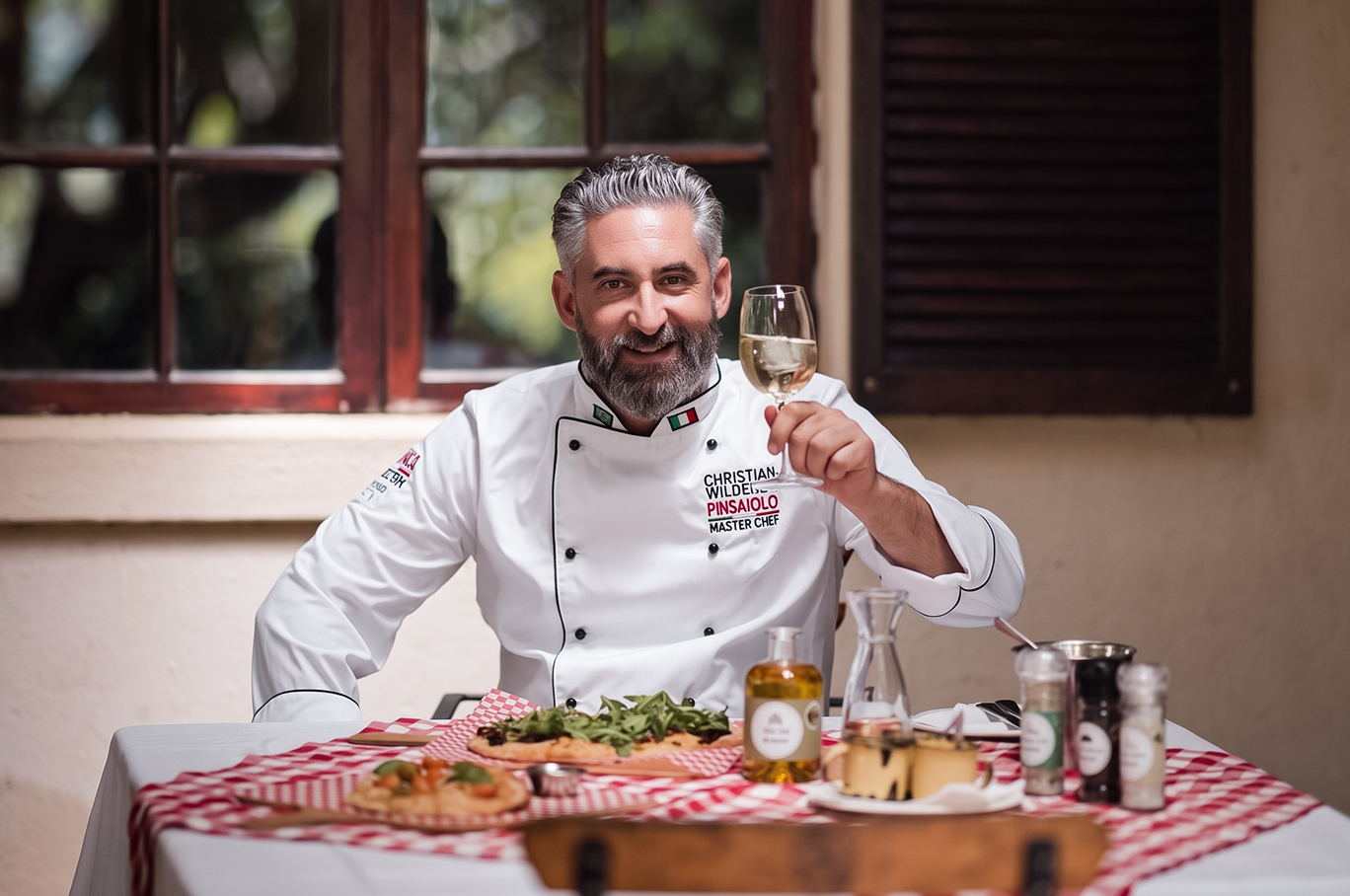
Christian Wilderer brings this philosophy to life through his work with food, his approach to sustainability and his latest culinary venture, introducing Roman style Pinsa to the South African market with the support of Core Catering Supplies.
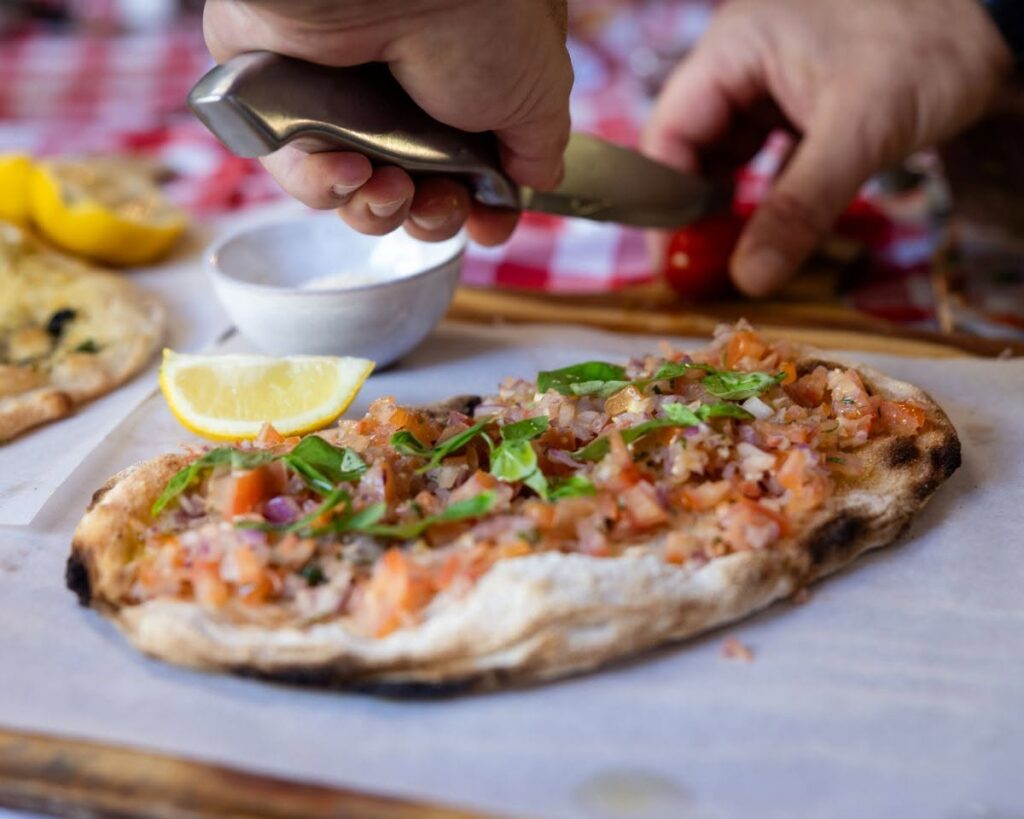
Pinsa, A Fresh Perspective on a Familiar Favourite
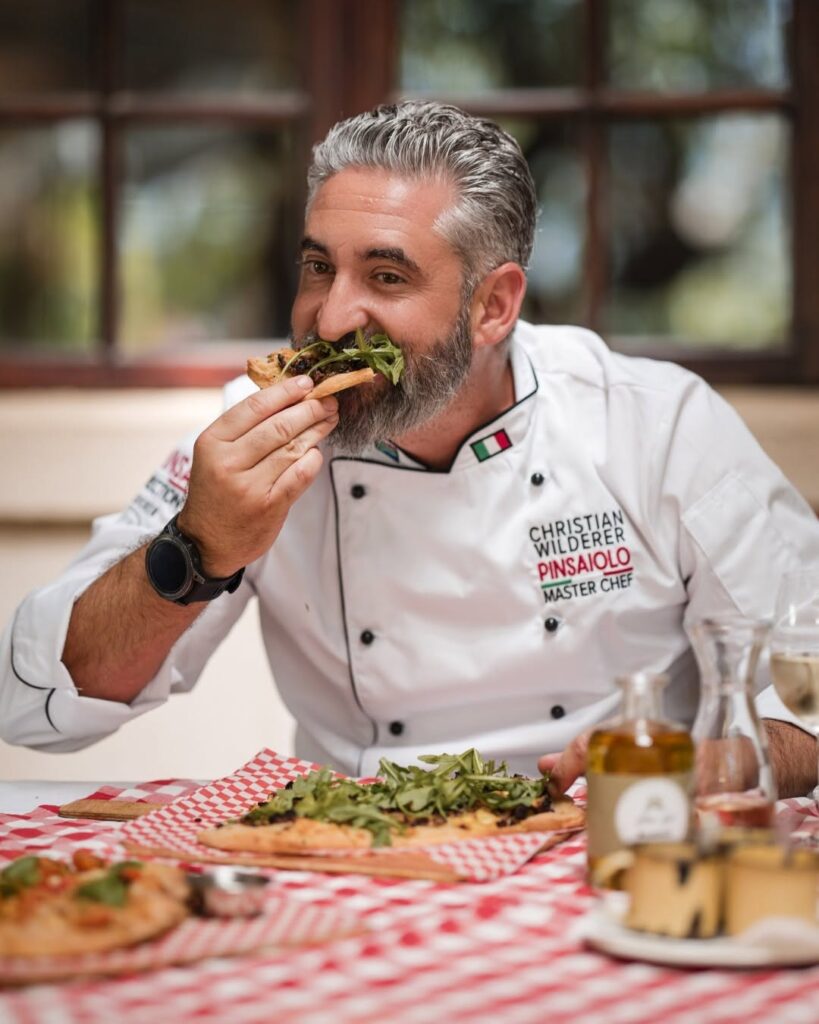
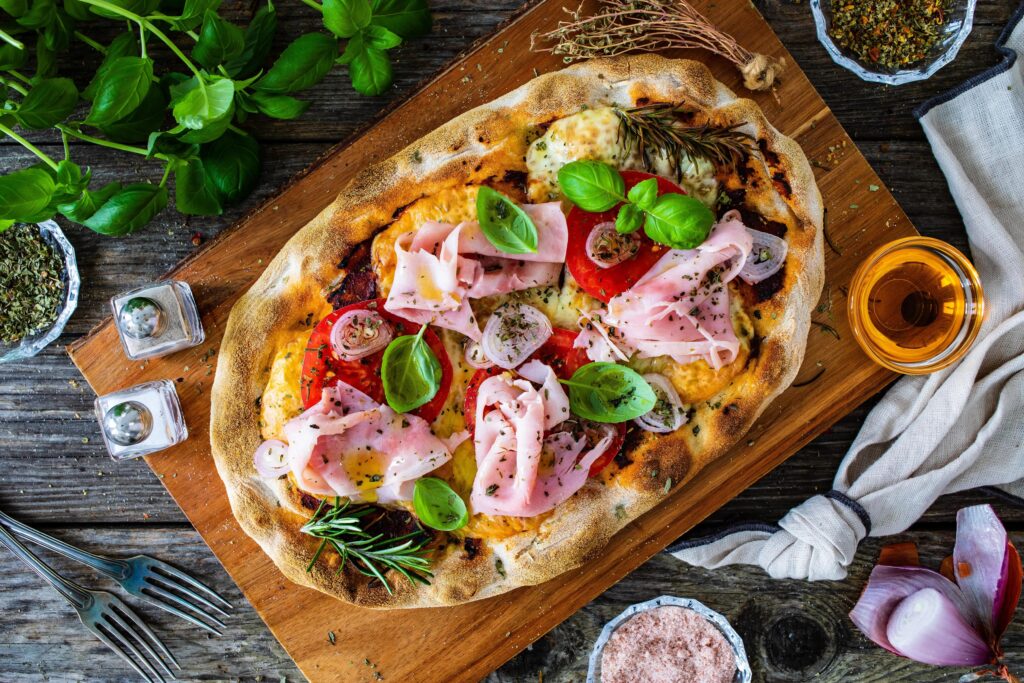
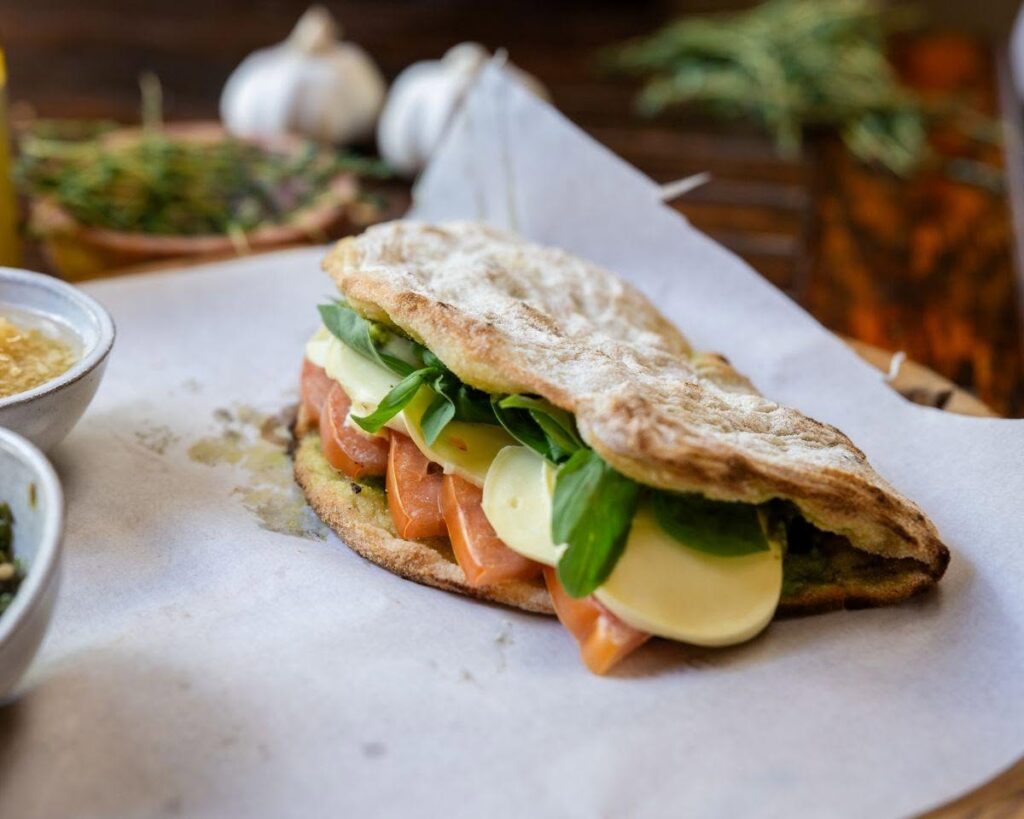
Pinsa is traditionally made using a blend of wheat, rice and soy flours, with a long fermentation process that contributes to its characteristic texture. The result is a base known for its light, airy interior and crisp exterior, making it an interesting option for operators looking to offer something different from conventional pizza.
Key takeaway: Look for opportunities to rethink familiar dishes. A distinctive product, supported by reliable preparation methods and a compelling customer experience, can help a business stand out without requiring an entirely new culinary identity.
Culinary Creativity Begins with Curiosity
A successful chef understands that flavour development is an ongoing process. Christian’s recent culinary explorations include working with Friarielli, the leafy vegetable commonly associated with Italian cooking, and experimenting with ingredients such as soy sauce, Worcestershire sauce and fish sauce to build greater depth of flavour.
Key takeaway: Encourage creativity in the kitchen, but give experimentation a practical purpose. The strongest menu ideas balance distinctive flavour with repeatable preparation, sensible food costs and the expectations of your customers.
The Right Equipment Supports Better Performance
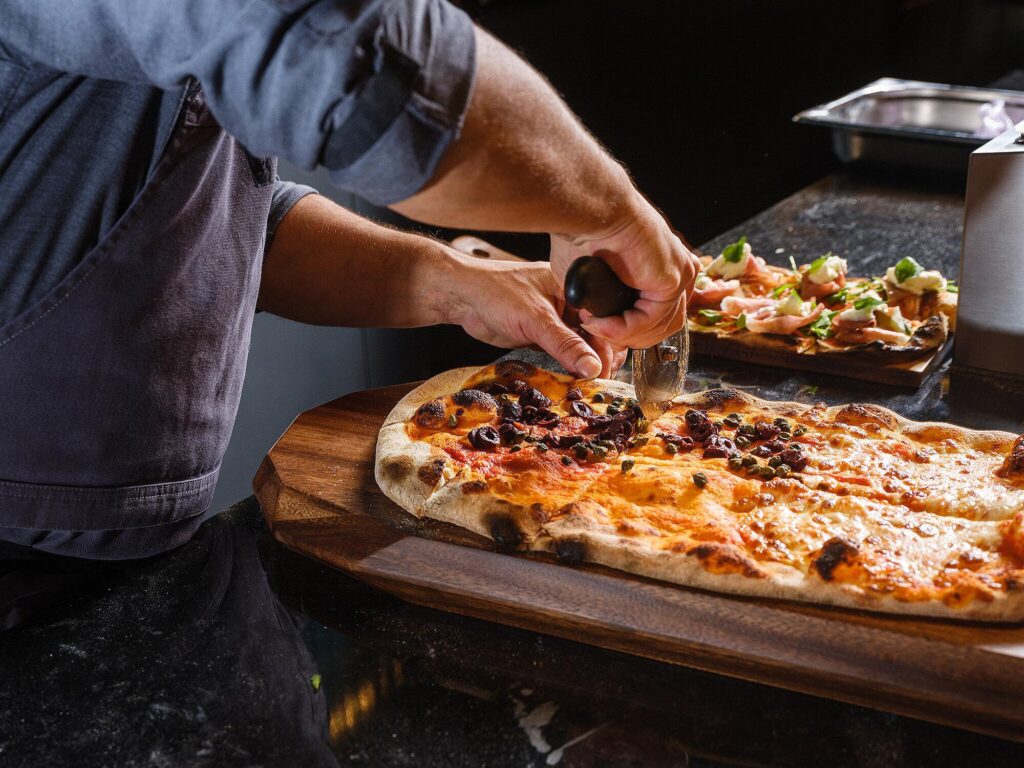
Poorly planned layouts can lead to unnecessary movement, delays during busy service periods and difficulty maintaining consistent output. In contrast, suitable equipment and well organised workstations can help teams prepare food more efficiently and make better use of available space.
For restaurant owners and chefs, equipment decisions should be based on the demands of the operation rather than appearance alone.
Factors worth considering include:
- Production capacity: Can the equipment handle the expected volume during peak service?
- Available space: Does it fit comfortably within the kitchen without obstructing movement?
- Energy and water consumption: What are the likely running costs?
- Cleaning and maintenance: Can staff clean the equipment properly and maintain it according to the manufacturer’s instructions?
- Consistency: Does it support repeatable cooking, preparation or holding results?
- Durability and support: Are servicing, spare parts and technical assistance accessible?
Sustainability That Works in Practice
Sustainability in hospitality is often discussed in terms of broad environmental goals. Yet many meaningful improvements begin with everyday decisions made in kitchens, storerooms and service areas.
For restaurants, sustainability can start with understanding where waste occurs. Overordering ingredients, storing products incorrectly, preparing more food than necessary and using excessive packaging can all place unnecessary pressure on operating costs.
Practical improvements may include:
- Reviewing purchasing patterns and stock rotation to reduce spoilage.
- Using accurate portion sizes to manage ingredient consumption.
- Planning menus around ingredients that can be used across multiple dishes.
- Separating recyclable materials and following local waste management requirements.
- Choosing packaging that suits the food, transport conditions and disposal facilities available.
- Monitoring water and electricity consumption across the kitchen.
- Training staff to identify waste and suggest workable improvements.
Looking Ahead, Innovation with Purpose
The future of hospitality will continue to be shaped by evolving customer expectations, new food concepts, operational technology and the need to use resources responsibly.
For Christian Wilderer, the introduction of Pinsa represents more than a new product. It reflects a willingness to learn from established culinary traditions, explore new opportunities and bring a fresh offering to a market that continues to develop.