
KRUGER SHALATI: A LESSON IN IMMERSIVE MODERN SAFARI HOSPITALITY
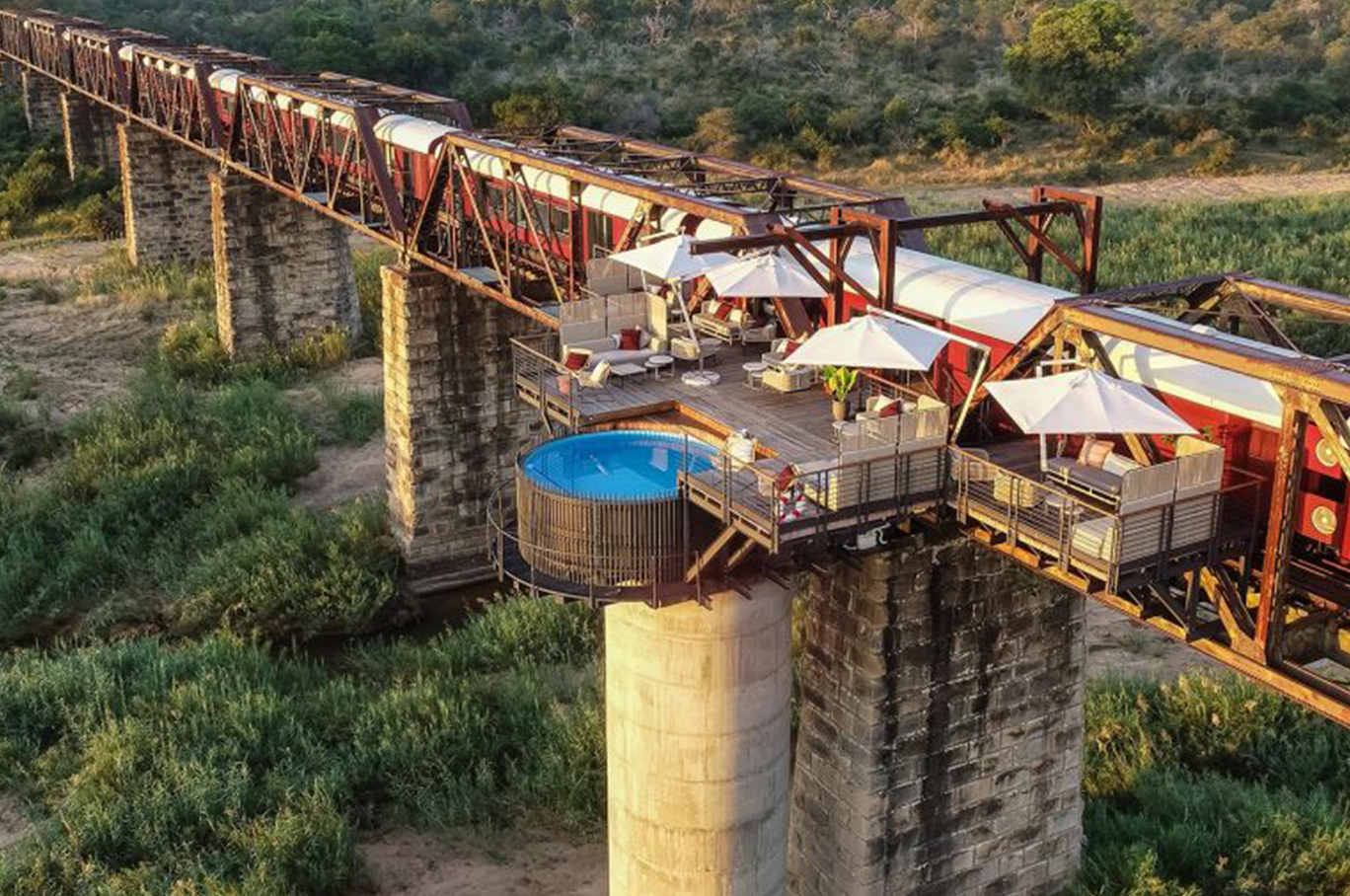
In a hospitality landscape where guests are searching for memorable, story driven experiences, few properties capture attention quite like Kruger Shalati. Suspended above the Sabie River in the heart of the Kruger National Park, this remarkable train hotel has become one of South Africa’s most talked about luxury destinations, combining heritage, wildlife, design, fine dining and immersive accommodation into one unforgettable guest experience.
Kruger Shalati offers more than just inspiration. It provides a strong example of how storytelling, guest comfort, food service and operational detail can work together to create a destination guests actively seek out.
Hospitality Meets Heritage
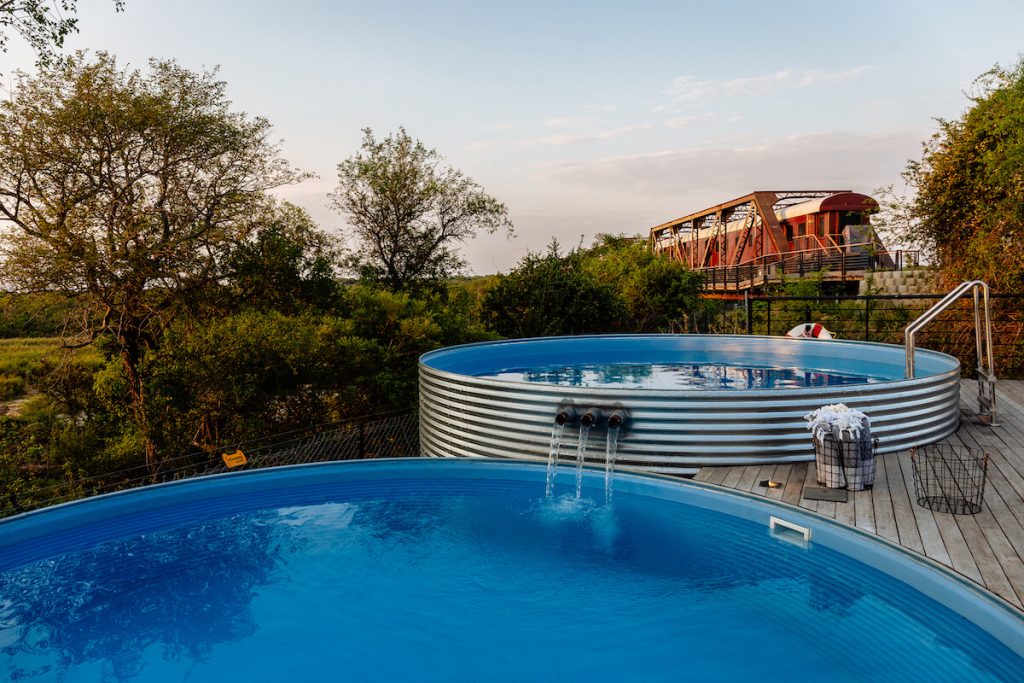
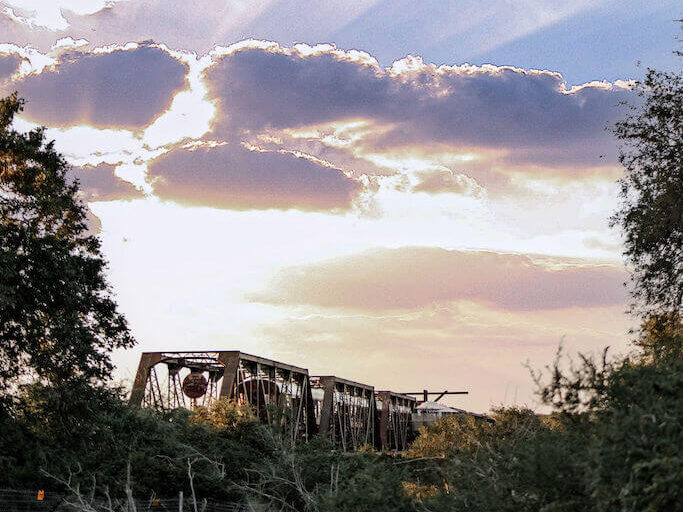
Kruger Shalati is permanently stationed on the historic Selati Bridge near Skukuza Rest Camp, the very location where early visitors to the Kruger National Park stayed overnight during the 1920s rail safari era. The property pays tribute to this rich history while introducing a modern luxury hospitality experience that appeals to both local and international travellers.
Instead of treating accommodation as simply a place to sleep, the property transforms the stay itself into the attraction. This approach has become increasingly important within luxury hospitality, where experiential travel continues to shape guest expectations.
Hospitality businesses can learn from this model by focusing on narrative driven environments. Whether it is a boutique hotel, safari lodge, restaurant or guesthouse, guests increasingly remember experiences that feel distinctive and emotionally connected to the destination.
Design That Creates Conversation
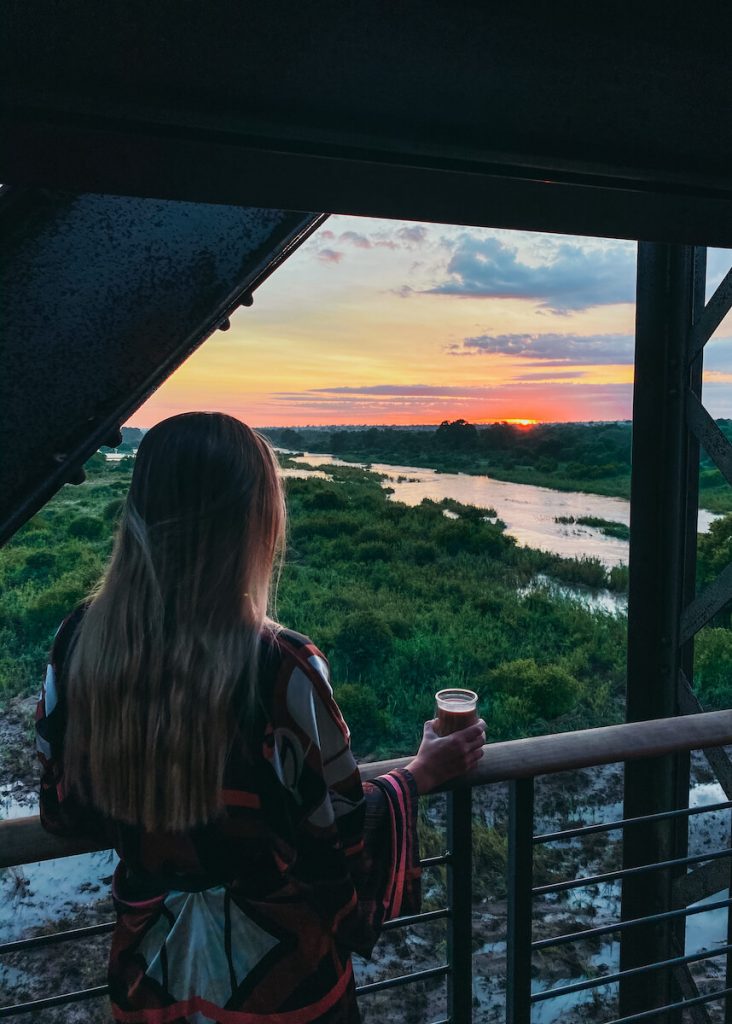
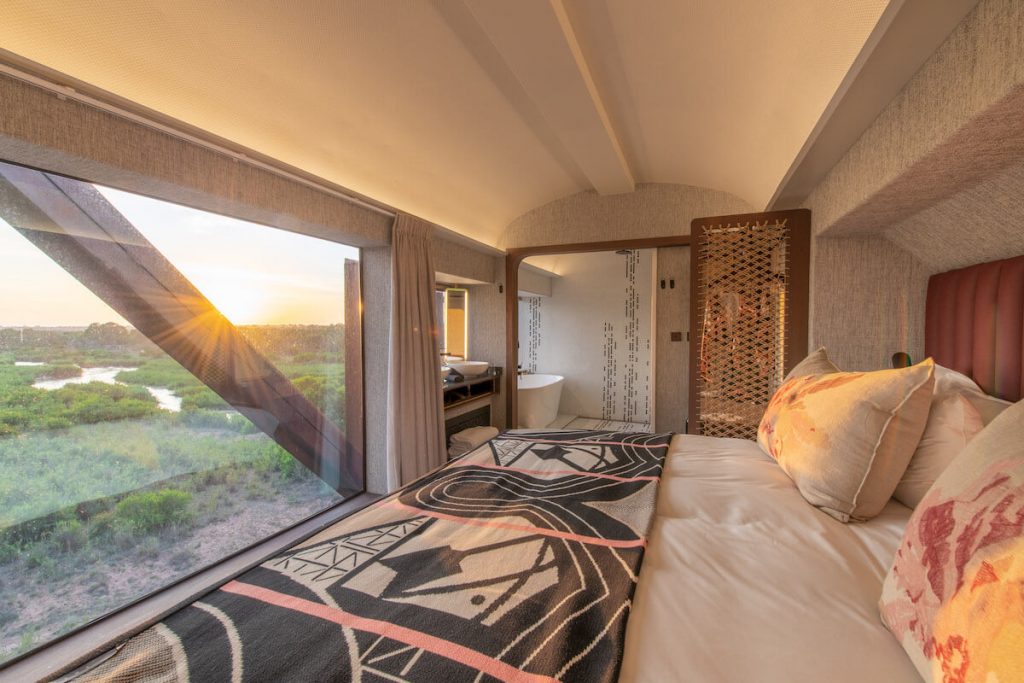
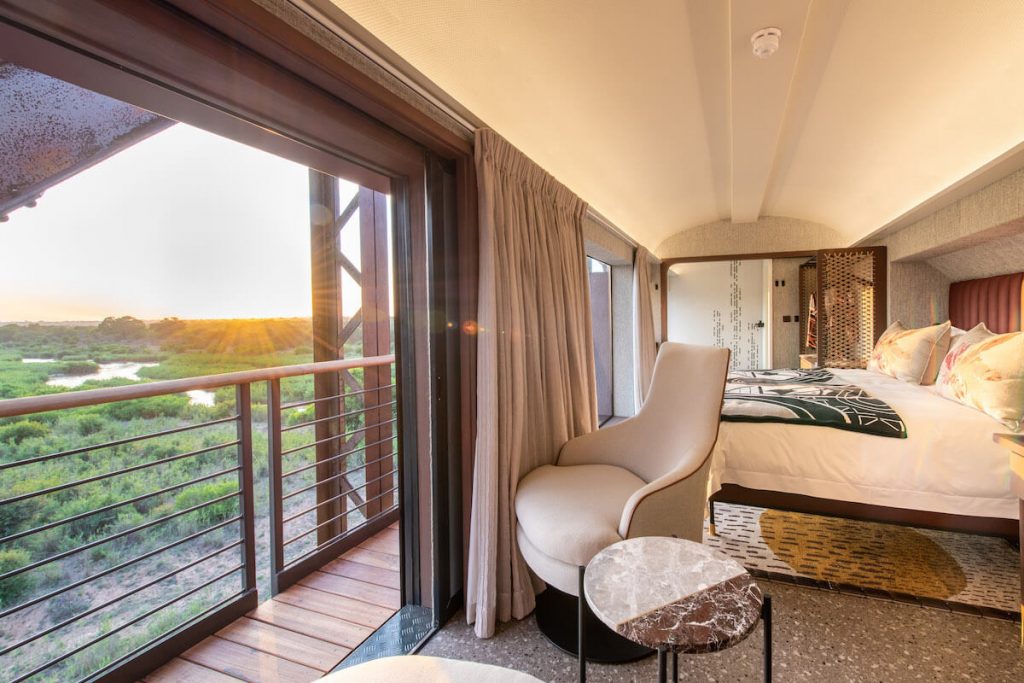
One of the most striking aspects of Kruger Shalati is its accommodation design. The hotel features luxury carriage suites positioned directly on the bridge, with glass walls overlooking the Sabie River and surrounding bushveld. Additional Bridge House Suites complement the train accommodation nearby.
The interiors successfully blend contemporary African styling with rail inspired architecture, creating a guest environment that feels sophisticated without losing its sense of place.
For hospitality operators, this highlights an important trend within tourism design, authenticity matters. Guests are increasingly drawn to properties that reflect local identity, culture and environment rather than generic luxury aesthetics.
Restaurants, hotels and lodges can apply this principle through thoughtful décor choices, locally sourced materials, curated tableware and presentation that reflects the character of the region.
Culinary Experiences Remain Central to Guest Satisfaction
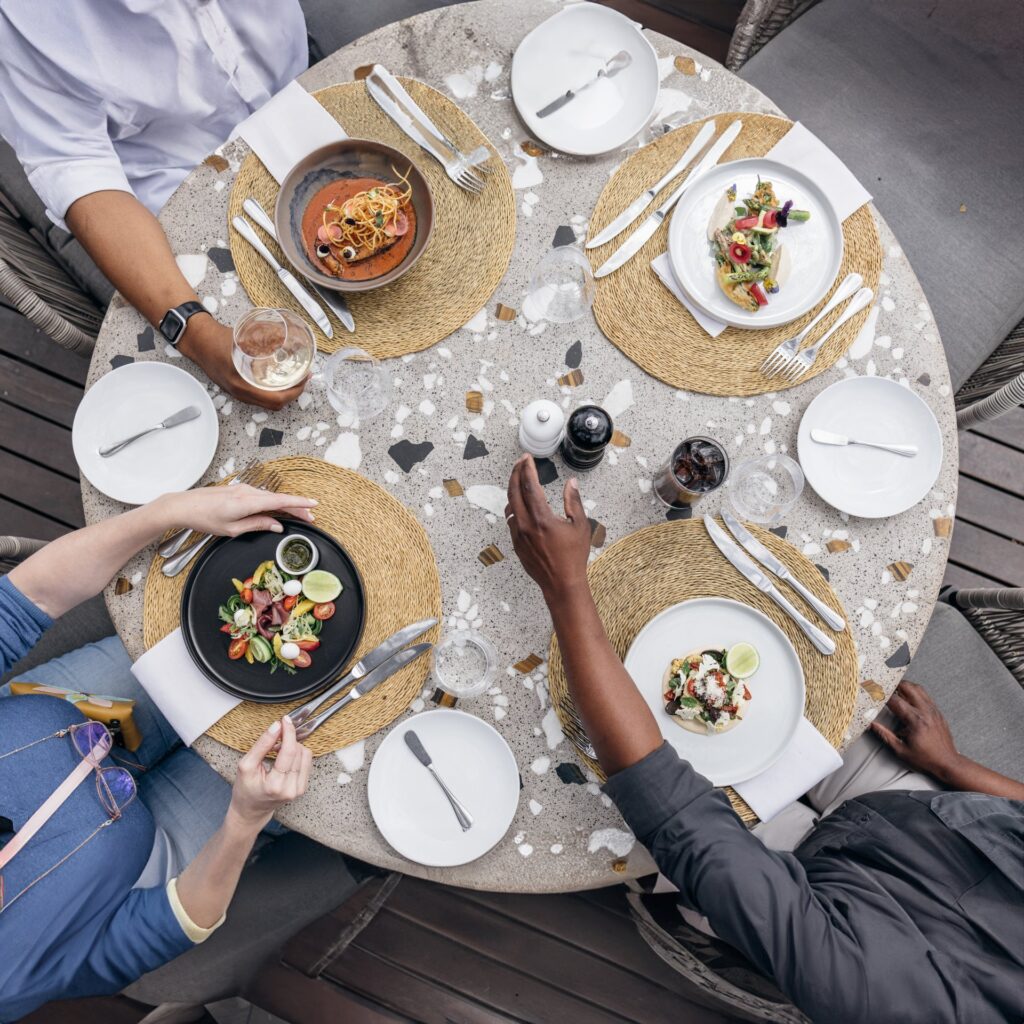
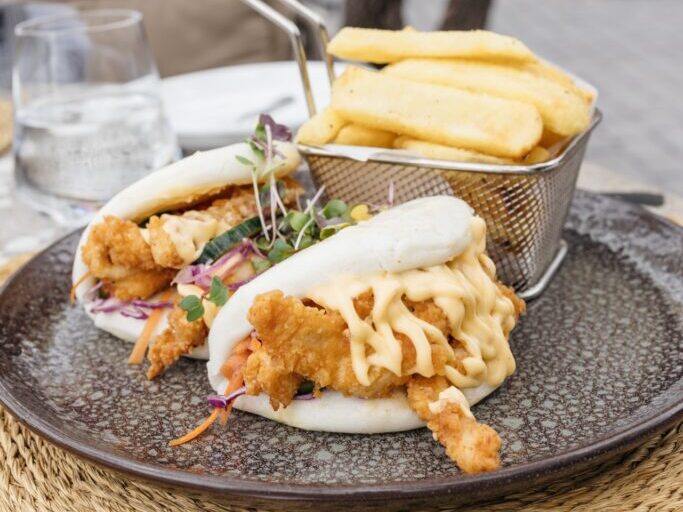
Food and beverage service continues to play a major role in the success of premium hospitality destinations, and Kruger Shalati understands this well. Guests are treated to African inspired cuisine served alongside panoramic river views, creating a dining atmosphere that becomes part of the overall safari journey.
Modern hospitality guests no longer separate dining from accommodation. Instead, they view the entire experience as interconnected. Presentation, plating, ambience, service flow and equipment quality all contribute to guest perception and online reviews.
For hospitality businesses looking to remain competitive, investing in professional catering equipment, buffetware, glassware and efficient kitchen systems is no longer optional. Operational consistency behind the scenes directly influences guest satisfaction at the table.
This is where businesses such as Core Catering Supplies continue supporting the hospitality industry with commercial catering equipment, chef apparel, buffetware, refrigeration, kitchen essentials and front of house solutions tailored for hotels, lodges, restaurants and tourism establishments.
The Power of Immersive Guest Experiences
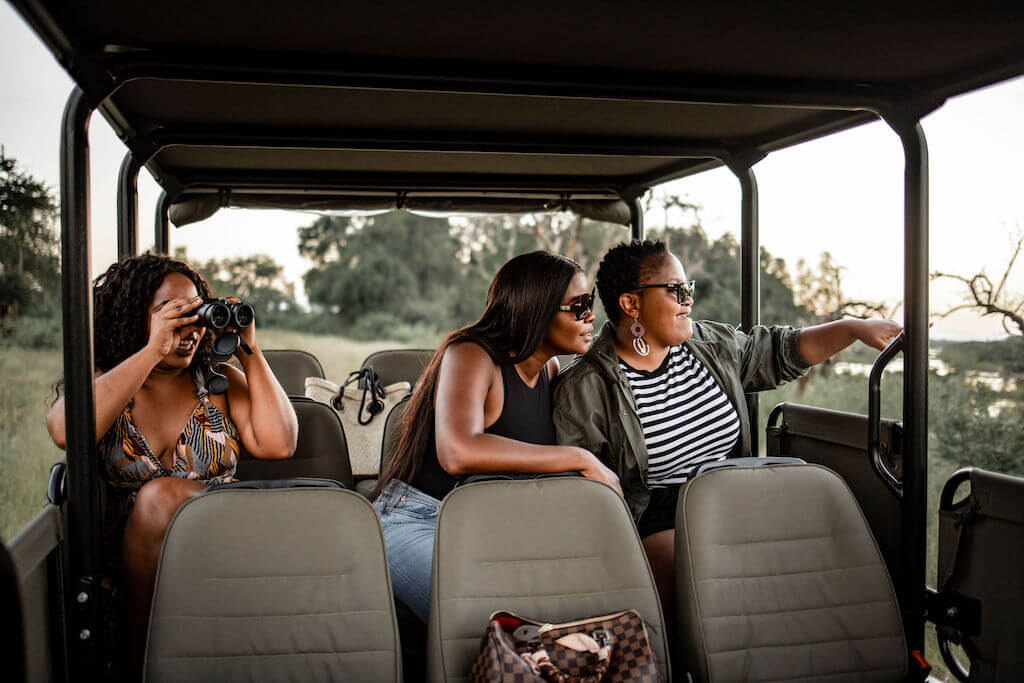
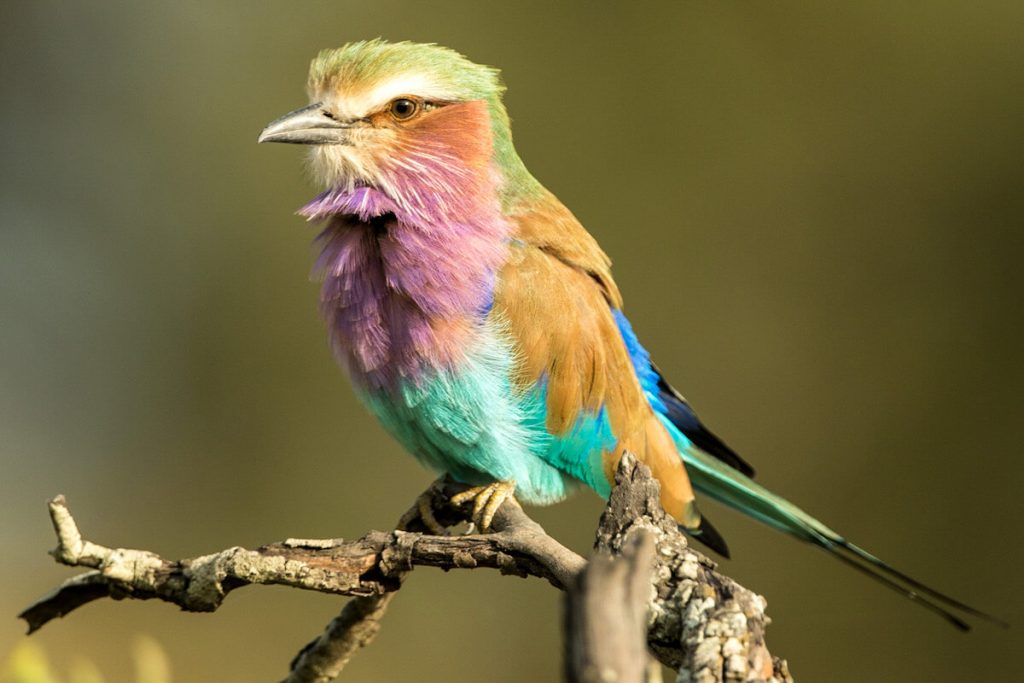
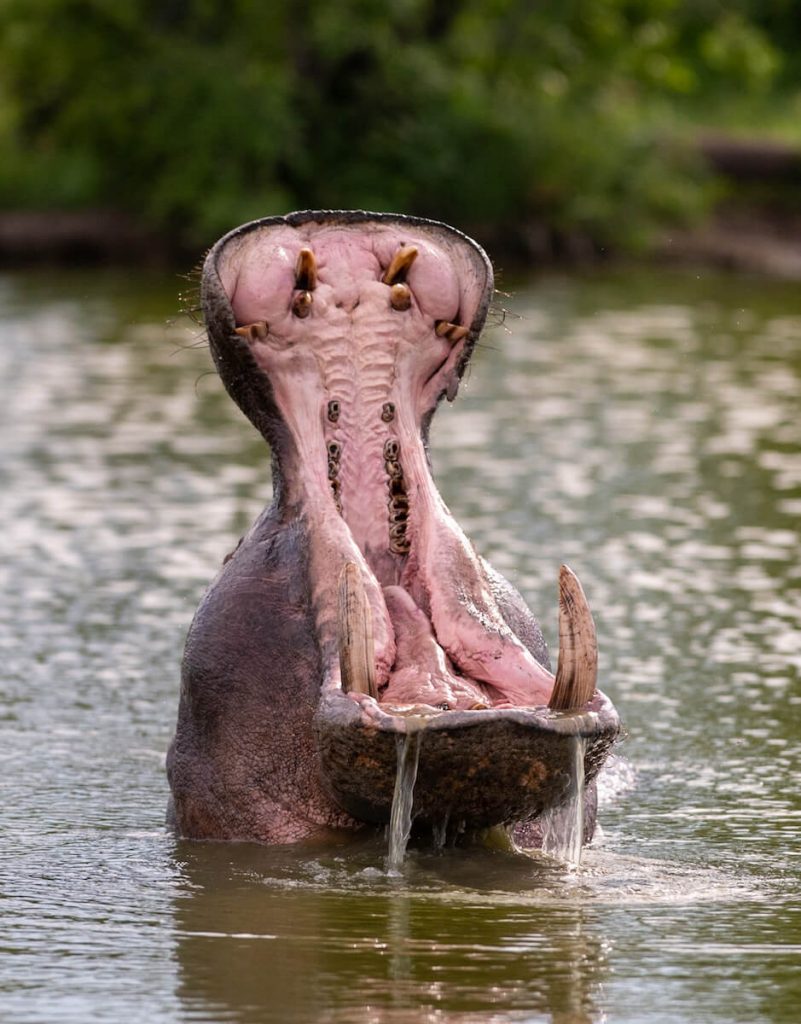
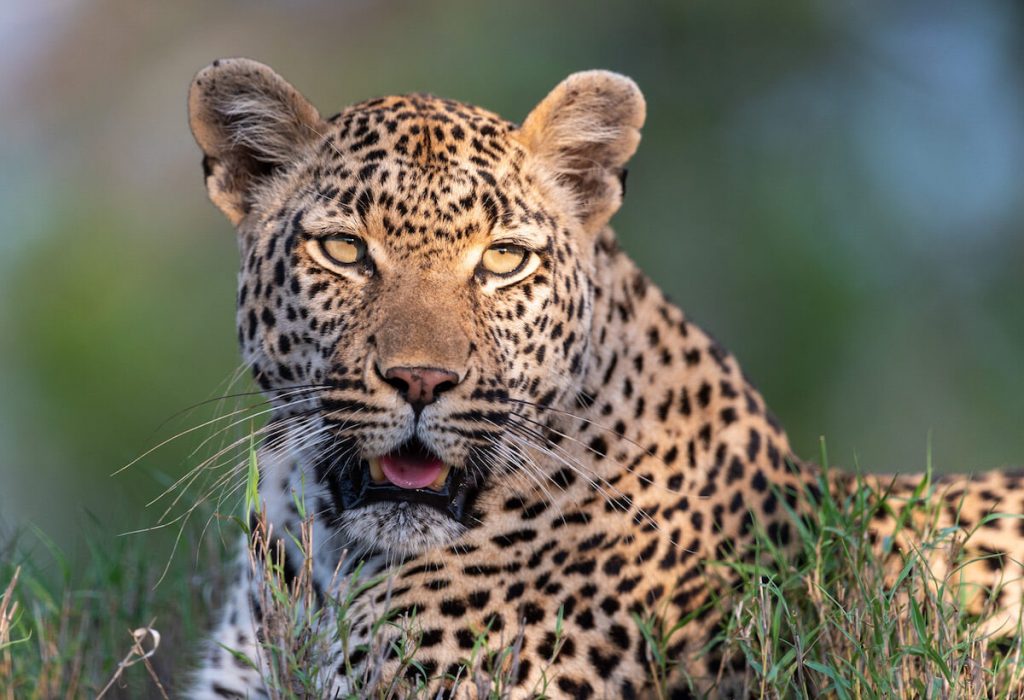
Kruger Shalati does not rely solely on accommodation to create value. Guided game drives, wildlife viewing decks, river scenery and the famous overhanging pool all contribute to a highly immersive stay.
Today’s hospitality industry is increasingly centred around immersion. Guests want moments worth sharing, photographing and remembering. Properties that create opportunities for emotional connection often generate stronger guest loyalty and greater organic social media exposure.
Hospitality businesses can adopt this thinking by focusing on atmosphere, sensory experiences and memorable service moments. Even small details, from signature welcome drinks to carefully presented breakfast buffets, can leave a lasting impression.
What Hospitality Professionals Can Learn from Kruger Shalati?
- Experience led travel continues growing across luxury tourism
- Guests value authenticity and local storytelling
- Food presentation and dining environments influence overall satisfaction
- Design driven accommodation creates stronger brand recognition
- Social media visibility often begins with visually memorable spaces
- Service consistency remains essential in luxury hospitality
Kruger Shalati stands as a remarkable example of how hospitality businesses can combine history, design, cuisine and guest immersion into one compelling destination experience. Its success reflects the growing demand for meaningful travel experiences that go beyond traditional accommodation.