
THOUGHTFUL HOSPITALITY: PRACTICAL PROGRESS IN SOUTH AFRICA
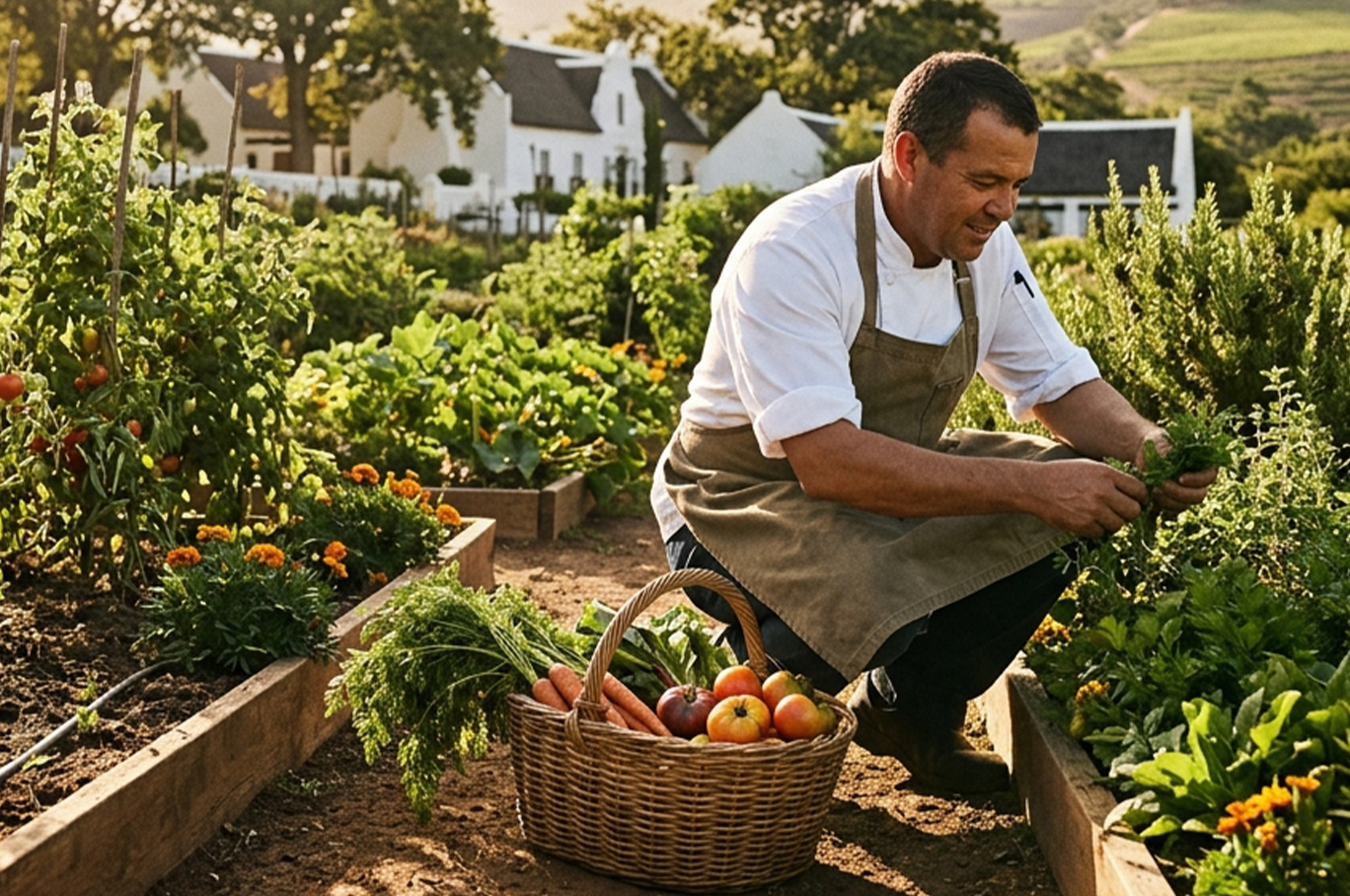
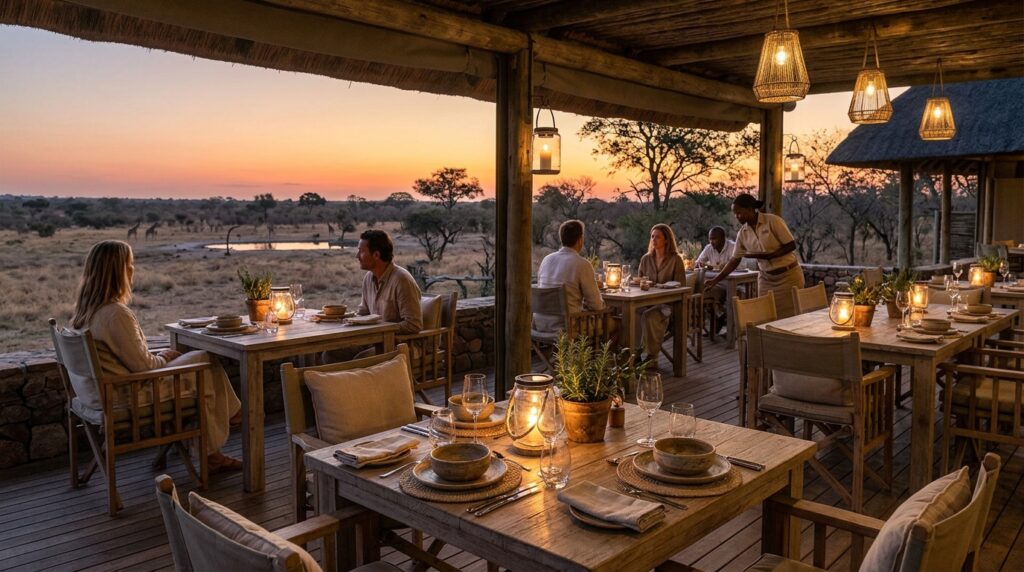
A garden supplying the hotel kitchen. Staff learning South African Sign Language to welcome Deaf guests. A safari camp integrating solar energy, water treatment and waste management into daily operations.
Across South Africa and Southern Africa, hospitality businesses are finding practical ways to use resources thoughtfully, support local livelihoods and create more inclusive experiences. These examples offer inspiration for operators of every size, from small guesthouses to established hotels and lodges.
Responsible tourism in everyday practice
FEDHASA and Fair Trade Tourism’s October webinar programme focused on turning responsible tourism principles into everyday operational decisions. Topics included water and energy monitoring, food waste, local purchasing and credible guest communications, supported by a proposed 30-day action plan with three priorities. The organisations formalised their partnership in May 2026 to advance responsible tourism across Southern Africa.
The approach is useful: identify where improvements are needed, give team members clear responsibilities and track the results. Practical progress becomes more manageable when it is built into existing routines.
From garden to guest
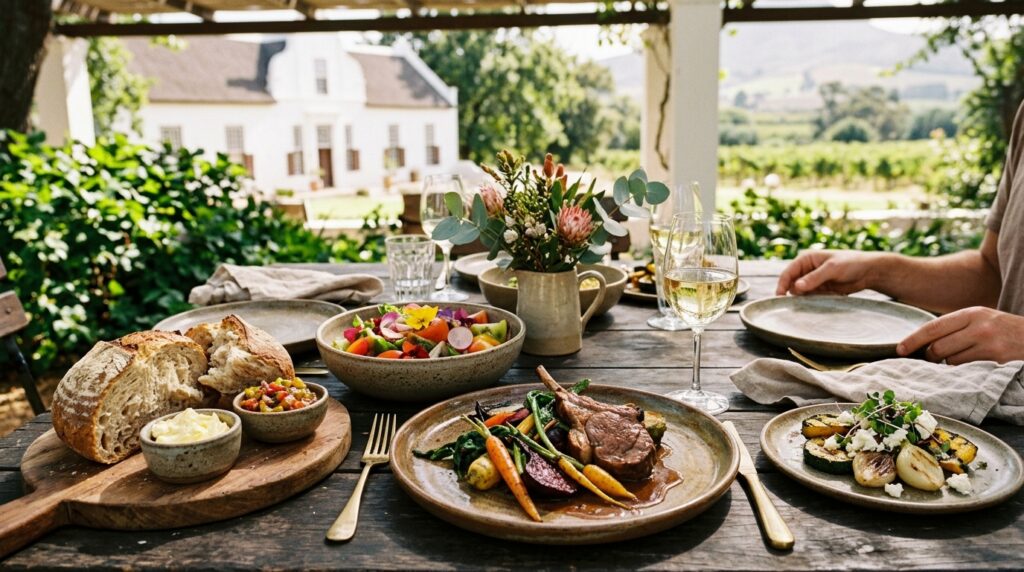
Across the region, businesses are connecting their kitchens more closely with seasonal harvests and local growers.
At Babylonstoren in the Cape Winelands, fruit, vegetables and herbs are harvested throughout the year for its restaurants. Babel’s seasonal menu follows what is available in the garden, connecting the landscape guests explore with the food they enjoy.
At Spier in Stellenbosch, a former horse paddock has become a food garden supplying its restaurants. The team uses regenerative growing techniques, compost and natural sprays, without inorganic pesticides or artificial fertilisers.
At Grootbos, produce grown on the reserve contributes to its culinary offering. The Grootbos Foundation’s community farming, education and enterprise programmes connect this food story with wider opportunities for local people.
In Zambia, The Royal Livingstone Hotel by Anantara combines an on-site vegetable and herb garden, developed with Ebenezer Child Care Trust, with direct purchasing commitments to local smallholders. Time + Tide Chongwe also works with surrounding villages to source garden-grown produce and ingredients such as eggs and wild mushrooms.
For other operators, the starting point could be a herb garden, a seasonal menu developed with nearby growers or a regular purchasing agreement with a small producer.
A more inclusive welcome
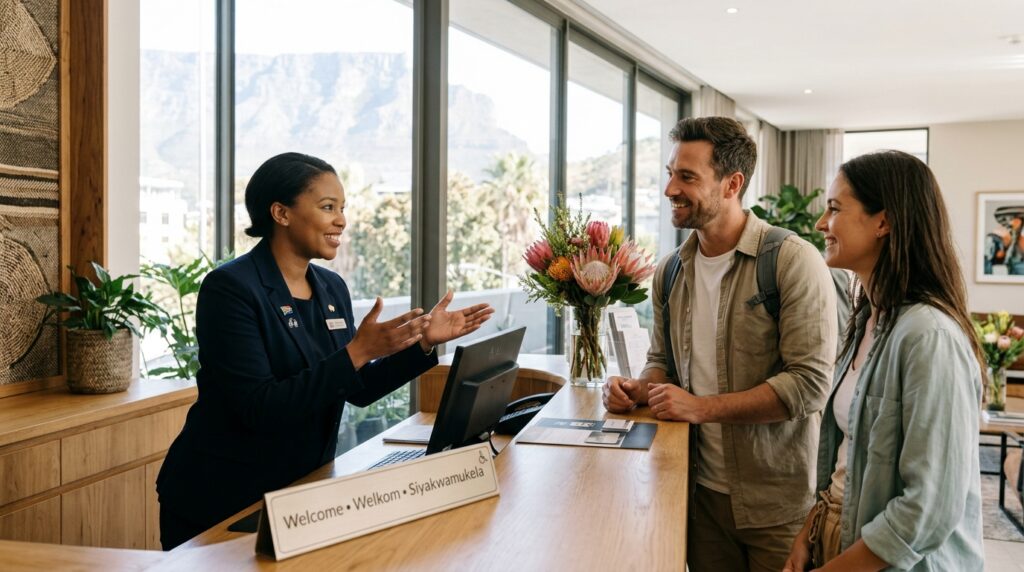
Mount Nelson in Cape Town has introduced Deaf inclusion workshops and hospitality-focused South African Sign Language lessons. Working with Showcook and I Love Coffee, staff explored Deaf culture, communication barriers and practical ways to assist Deaf guests and colleagues, including at check-in and when sharing safety information.
Accessibility is expressed through everyday service. Understanding a guest’s communication preferences and having the confidence to respond can make a meaningful difference. Involving people with lived experience helps businesses identify barriers and equip teams to address them.
Resource efficiency by design
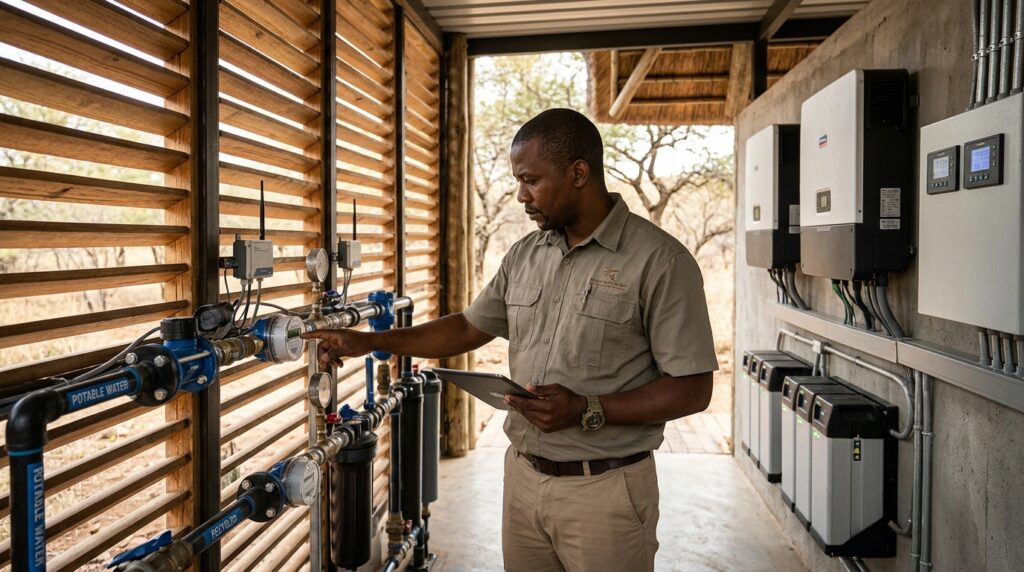
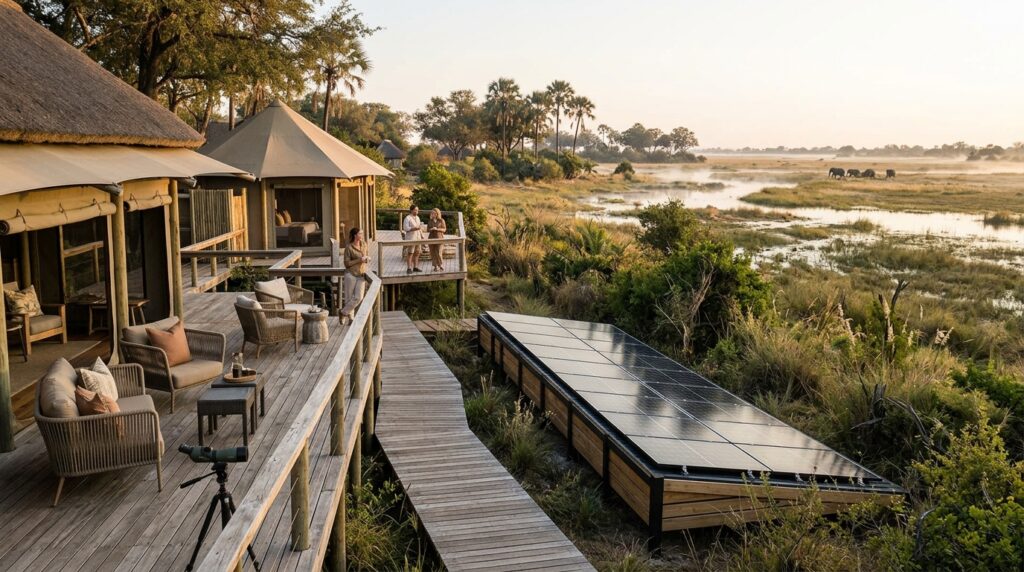
In Botswana’s Okavango Delta, Great Plains Conservation describes Sitatunga Private Island as operating with solar power and battery storage, on-site water purification and composting for food and biological waste.
Its approach highlights the value of considering operational systems together. Energy, refrigeration, water, maintenance and waste handling all affect the resources required to deliver a stay.
Existing properties can apply this thinking incrementally through leak repairs, equipment maintenance, operating schedules and carefully considered replacements.
Creating opportunities through purchasing
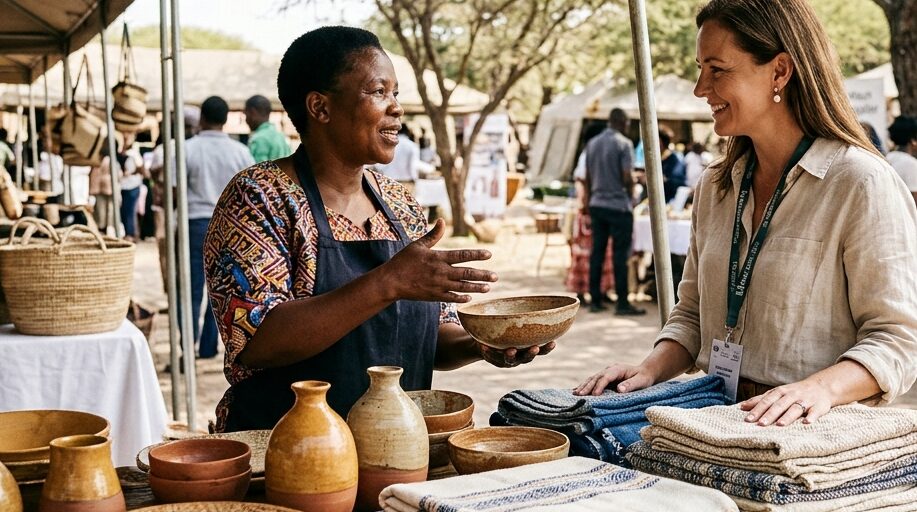
Wilderness Botswana’s inaugural Local Supplier Expo, held in Maun in 2024, connected local businesses with procurement opportunities across food, beverages, ceramics, uniforms, linen and cleaning materials. It demonstrated how widely tourism’s purchasing power can reach.
Clear specifications, realistic delivery requirements and reliable communication help turn those introductions into workable supplier relationships.
Sharing progress credibly
The EU’s Empowering Consumers for the Green Transition rules became applicable from 27 September 2026, strengthening protection against misleading environmental claims. For Southern African operators working with European travellers and trade partners, this reinforces the value of specific, substantiated information.
Businesses should be able to explain what has improved, how it was measured and which part of their operation a claim covers.
Better questions, better choices
For Core Catering’s hospitality network, these developments bring the conversation directly to everyday purchasing.
Alongside appearance and price, operators can ask about durability, manufacturing practices, care requirements, replacement availability and evidence behind environmental claims. These questions support informed decisions about a product’s value throughout its working life.
From kitchen gardens to inclusive service, the region offers valuable examples of thoughtful hospitality in action. Each gives our industry something practical to build on: stronger local relationships, better use of resources and greater care for the people behind every guest experience.