
API SUMMIT: RIBBON CUT, KITCHEN STOCKED
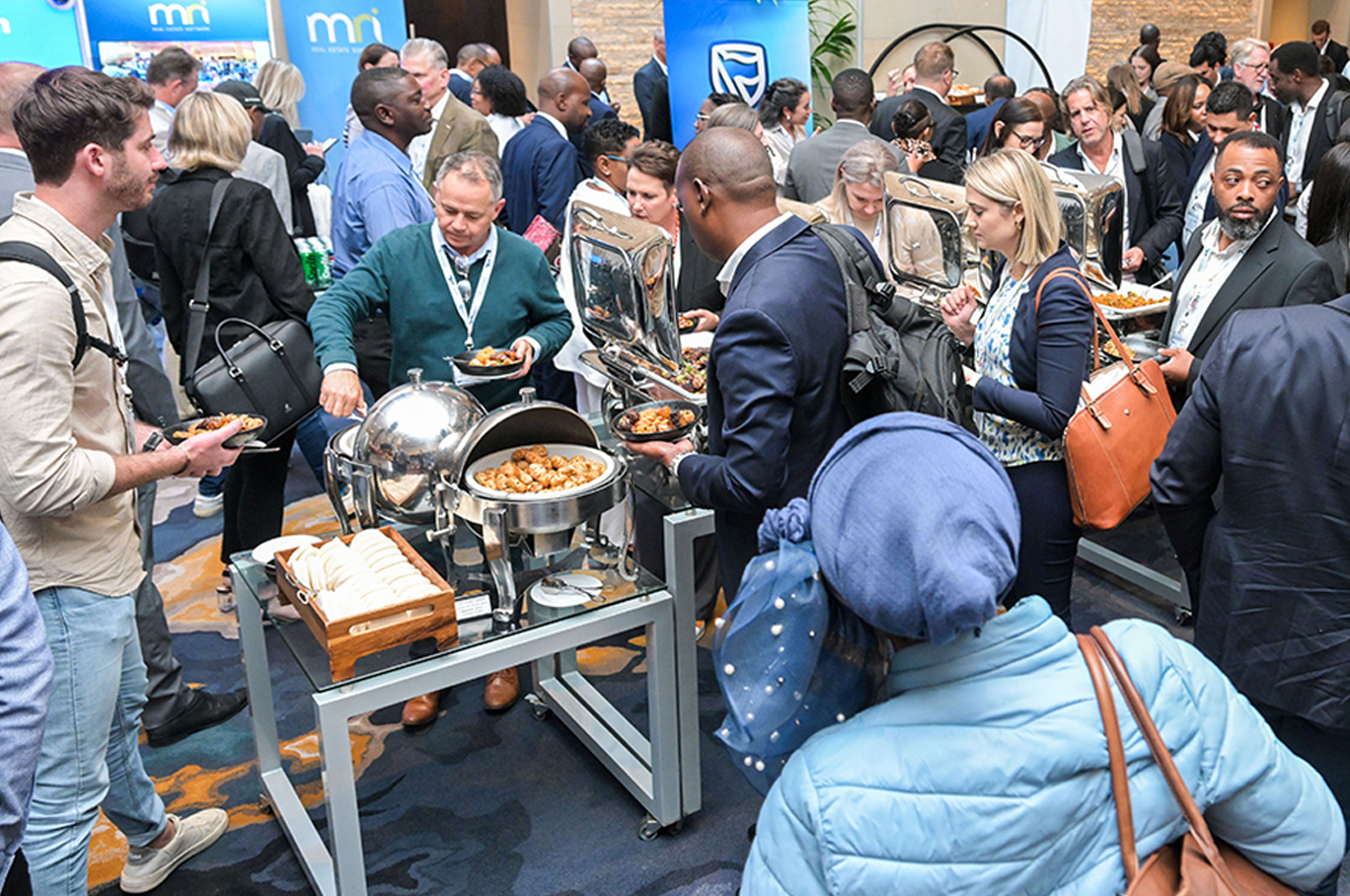
That time of the year again. Yes, it’s the API summit, meaning a gathering of investors, developers and people who are willing to provide capital.
Investor appetite for Africa’s hospitality sector is not the issue. Getting that capital to actually become a working, opening venue is where things fall apart. The projects that make it through are the ones where everyone understood the operational vision from day one, where the planning had room built in for things not going exactly to plan, where the cost and timeline numbers were based on real evidence rather than hope, and where the people delivering it had actually delivered something like it before. Nail those fundamentals and you get certainty, you get outcomes you can actually predict, and you get a real path from an idea on paper to a venue that opens its doors on time.
Now even before the ribbon is cut, the kitchen must be stocked.
How does one create the certainty, security and predictability that takes a project from concept to operation. As Core Catering, with over 25 years in the hospitality industry, we know that having your kitchen stocked prior to the ribbon cut changes everything.


Start with the story the glass tells
Before you even get to durability or price, ask what the glass says about your venue. A heritage manufacturer with decades of craftsmanship behind it signals something different to your guests than an unbranded budget import, even before a single drink is poured. If you’re positioning your venue as serious about its drinks programme, the glassware needs to back that up. This matters more the higher your price point climbs. Nobody questions a R45 house wine in a basic glass. Everybody notices when a R180 cocktail arrives in something that feels flimsy.
Durability is the argument that actually saves you money
This is where most venues get it wrong. They shop on unit price per glass instead of cost per year of use, and breakage quietly eats the difference and then some.
Look for ranges where the reinforcement sits specifically at the rim. That’s the part of any glass that takes almost every knock during service, from the dishwasher rack to the ice bucket to a rushed hand during peak trade. Glassware engineered with extra strength through that zone, rather than treated uniformly across the whole piece, is solving the actual problem rather than a general one. Ask your supplier directly what happens if a rim chips. A guarantee or replacement policy on rim damage tells you the manufacturer trusts their own engineering enough to back it.
Think about your back of house, not just your front of house
Storage gets forgotten in the excitement of choosing glassware that photographs well. Ranges built with proper stacking design, stable rings that stop glasses locking together and needing to be forced apart, save you shelf space and prevent one of the biggest hidden causes of breakage in a working kitchen. If your storage is tight, and most new venues discover their storage is tighter than planned, this becomes a real operational consideration and not a nice to have.
The feel matters as much as the look
Glassware shapes how a drink is actually experienced. A well finished rim changes how a guest perceives aroma and flavour on the first sip, which is a genuine upsell tool for any venue building a cocktail or wine programme around premium pricing. Colour that’s built into the glass itself rather than applied as a coating will survive a commercial dishwasher cycle after cycle without fading or wearing thin, which matters enormously for venues running branded or coloured serveware as part of their identity.
So which range actually ticks all these boxes
Consider a design that reads as premium on the table. Engineering that protects the part of the glass that fails first. A stacking system that respects how tight most commercial kitchens actually are. Put all of that together and you land on Stölzle Lausitz.
It’s the kind of range that looks right on opening night and still looks right eighteen months into full trade, which is the real test. Every glass on your bar doing quiet work toward how your venue is perceived, from day one and long after that ribbon gets cut.