THE SEAT THAT SPEAKS BEFORE YOU SIT
What Actually Makes a VIP Area Feel VIP
A guest walks past the rope, finds their seat, and before a single staff member has said a word to them, they’ve already decided how this evening is going to go. Nobody puts that part in the brief, but it’s the truest thing about VIP service. The room talks first, and everything on the table is doing the talking.
The glass says it before the drink does
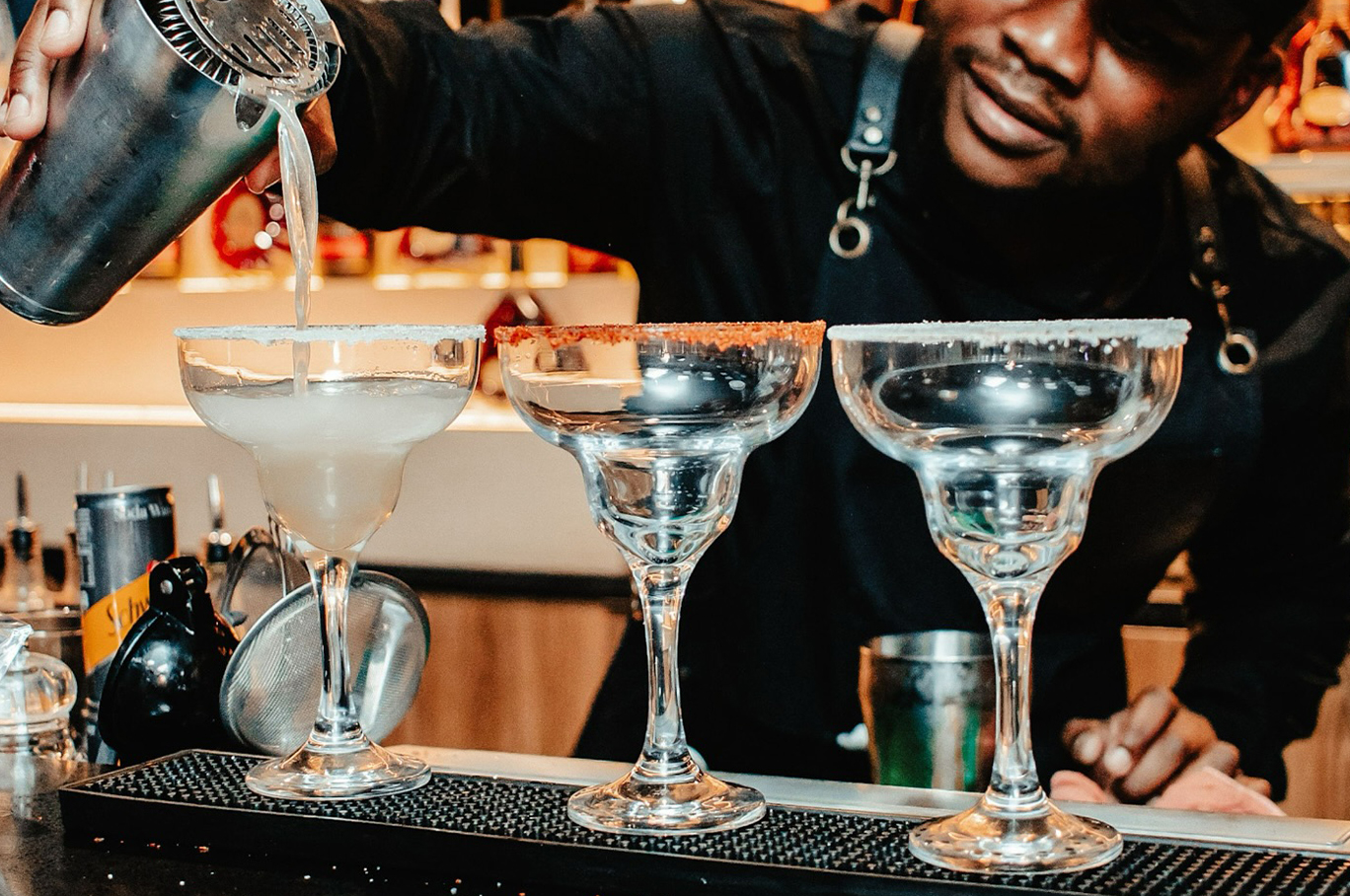
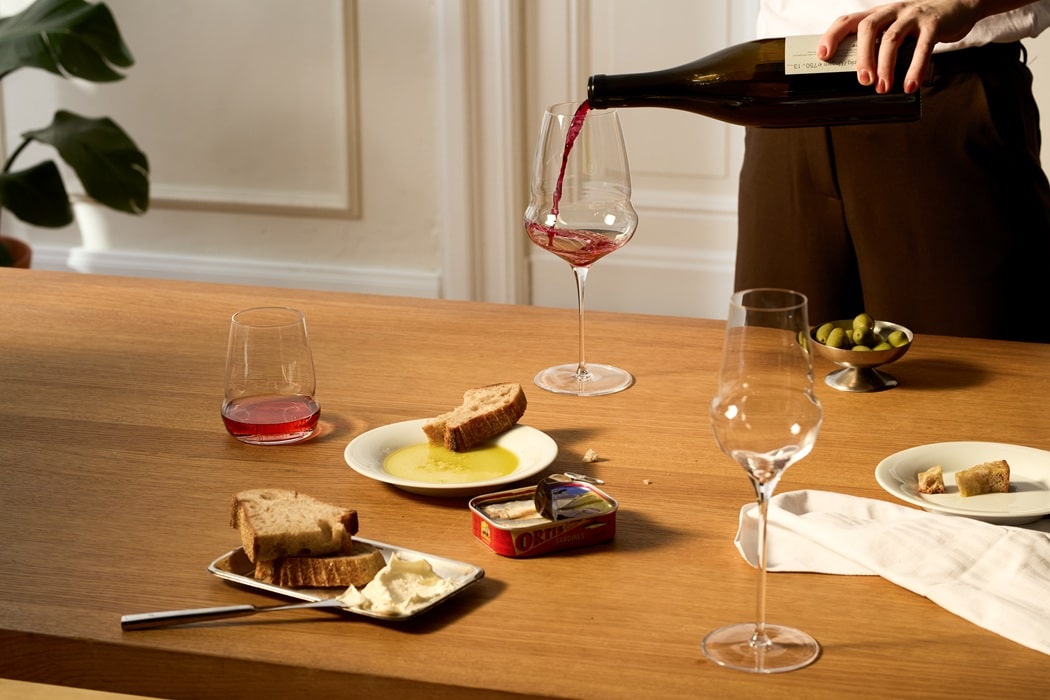
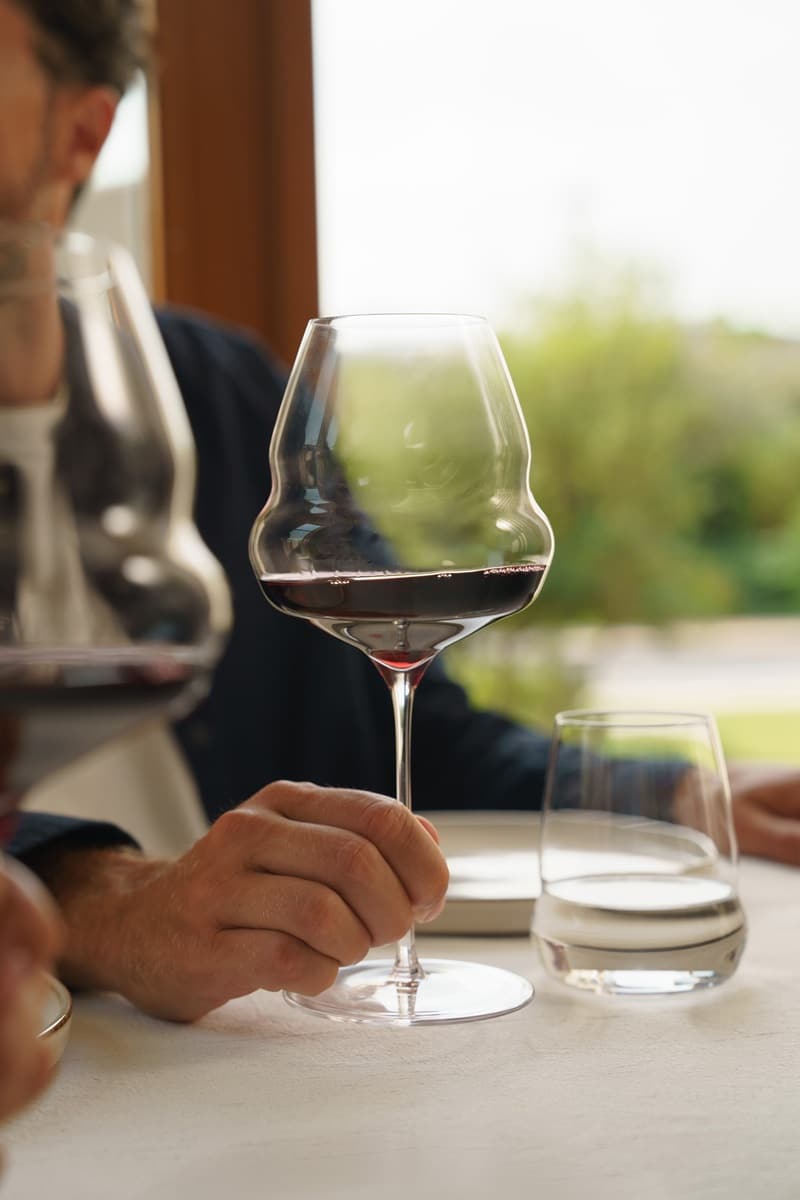
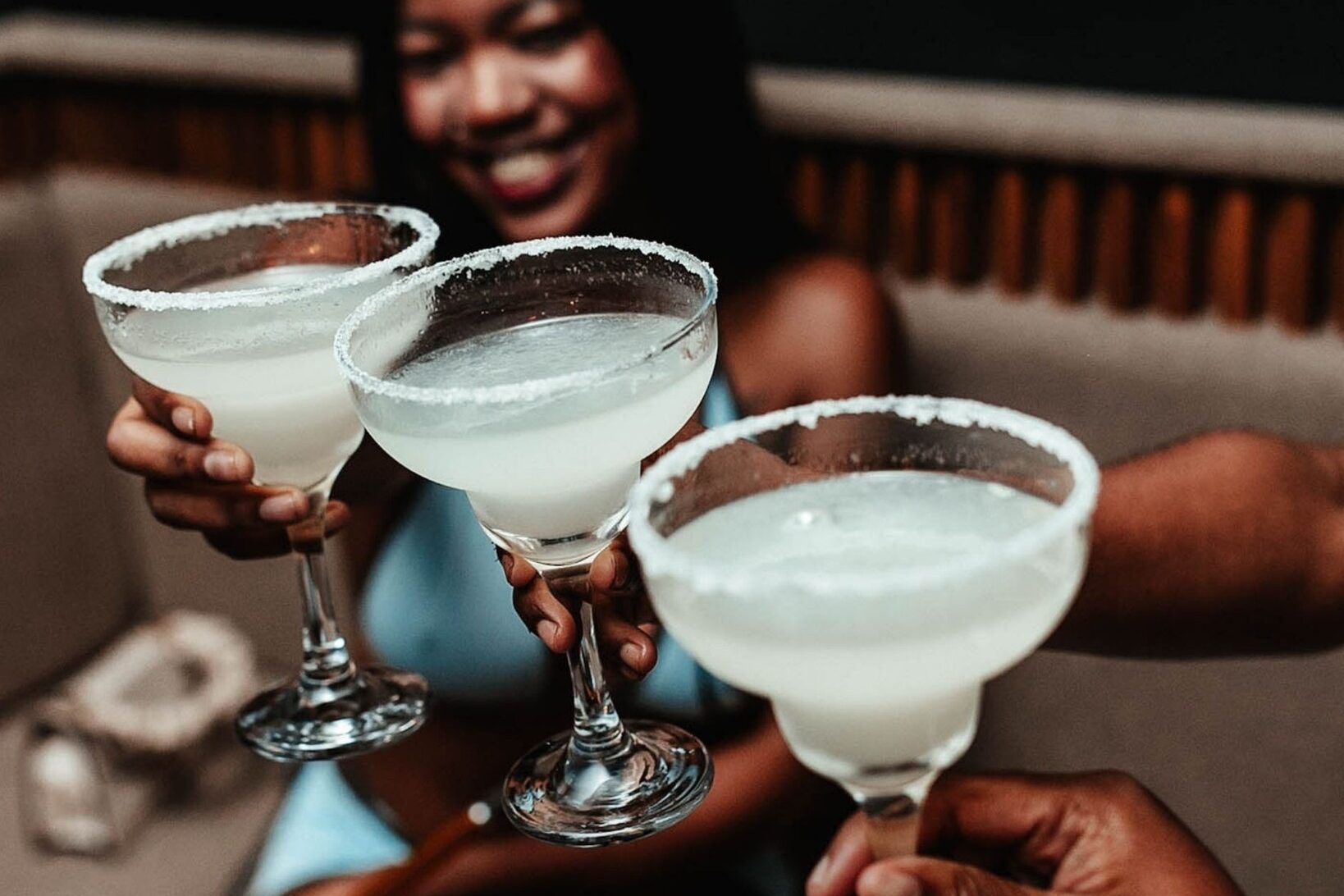
Standard bar glassware reads as ordinary the second it’s set down next to real crystal. A step up in weight and clarity tells a guest the room takes them seriously before a word’s been spoken. Match the glass to the drink properly, a coupe for sparkling, the correct bowl for red versus white, a rocks glass with real heft for spirits, because guests might not name what’s wrong with the wrong glass, but they’ll feel it. And none of it means anything if the glass isn’t spotless. A water spot near the rim undoes all of it in half a second.
The crockery is doing more work than people give it credit for
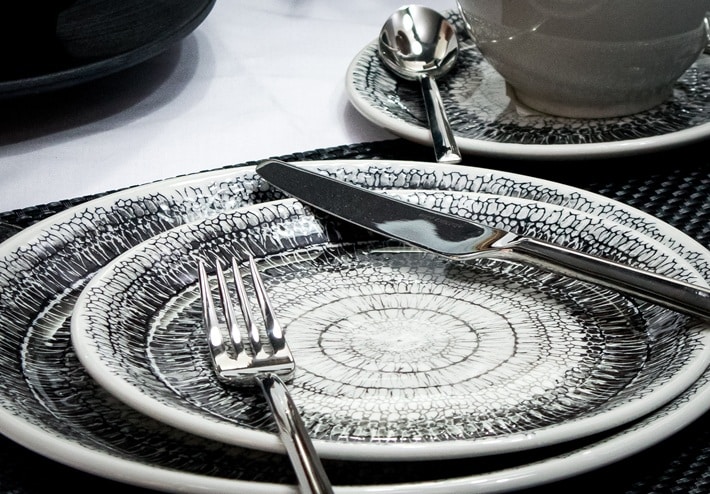
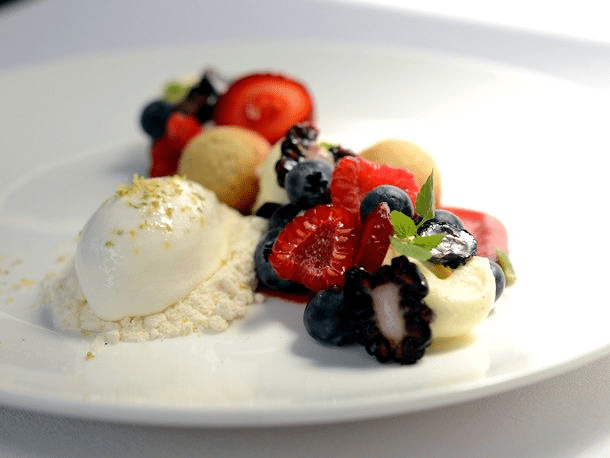
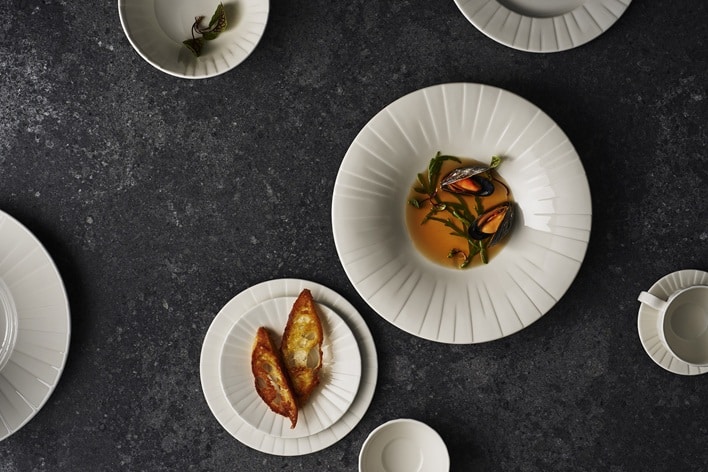
Food service in a VIP area should feel like part of the evening, not a separate errand tacked onto it. Fine porcelain or bone china turns even a single canapé into something considered. A charger under the plate, even for one small bite, tells the guest the whole course was actually thought through before it landed in front of them. Chipped crockery, mismatched patterns, plates that clatter when they’re stacked, guests notice all of it even when they can’t articulate why the table suddenly feels less premium. And disposables have no place here at all. Not for a snack, not for a napkin. Paper and plastic don’t belong anywhere near a VIP table.
Cutlery is the detail people only notice when it’s wrong
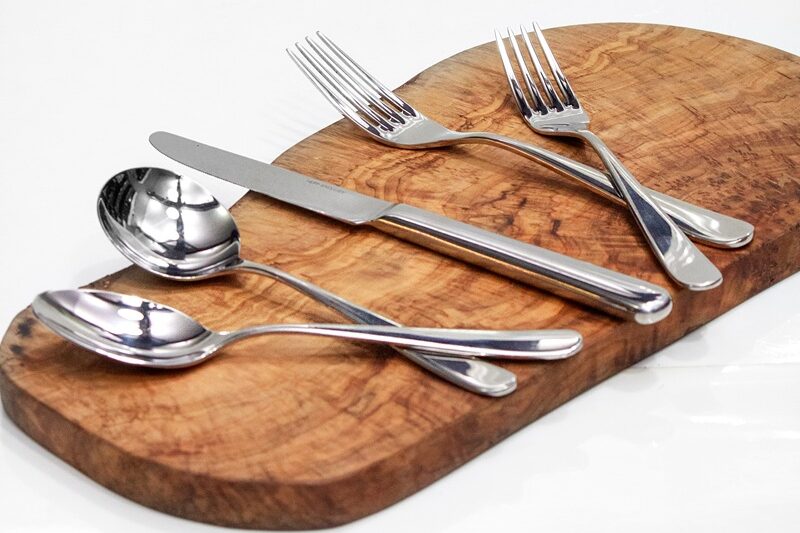
Nobody compliments good cutlery. They just quietly register that the fork feels solid, that the knife has actual weight, that the set at their place matches the set at the table next to them. What they do notice is the opposite, cutlery that’s thin, mismatched, or sends a flat metallic sound across the table the second it touches a plate. A full matching set, properly weighted and properly polished, is one of the cheapest ways to raise the entire perception of the table without touching the menu at all.
The environment either supports the table or undercuts it
The best glassware and crockery in the world can’t save a VIP area that gets the environment wrong. Lighting that sits warmer and lower than the general space, seating with actual breathing room instead of chairs crammed in for capacity, proper linen instead of anything paper, a floor that’s clean and a table that’s been properly reset between guests, all of it works together to tell the guest they’re somewhere different. The moment the environment feels identical to the main venue, no amount of good crockery convinces anyone otherwise.
Real VIP service is invisible
Here’s where people get it wrong. They think VIP service means more attention, more check ins, more staff hovering nearby. Wrong. The best VIP service is invisible, until the guest realises they never had to ask for a single thing. Water refilled before the glass runs low. A plate cleared the second it’s empty, not the second someone flags a waiter down. A name and a usual order remembered by the second visit. That’s not more service. That’s the service that got there first.
It has to hold up, not just look good
A VIP area styled to look impressive from the entrance and one built to hold up for three hours of real service are two completely different jobs. Does the glass still feel premium on the third refill? Is the cutlery still in matching sets after the third table turn? Does the linen still look crisp two hours in? If the answer’s no anywhere along the line, it was never VIP. It was decorated to look like it.
A guest can’t tell you why a table felt right. They’ll just tell you it did.
So walk your own VIP area tonight and ask yourself, would you notice if any of this was missing?