Posted on

SEE YOUR TEA WITH OUR NEW GLASS TEAPOTS, CUPS AND MUGS

Enjoy the beautiful rich colour of tea through our transparent range of catering quality glass Teaware. Take your tea time to another sensory experience and up your hosting game. For an even better visual effect try out some of the fantastic floral teas from the East explained further below. 

FAST FACTS ON OUR GLASS POTS, CUPS AND MUGS

1. Can handle bigh temperatures 

The special glass material used to make our glass Teaware can handle high and sudden temperature changes.

2. Special feature-Non drip spout

Regular china or porcelain teapots often have dripping issues. Our blown glass teapots have special design-non drip spouts. 

3. Easy to see when your tea is ready

One of the benefits of a glass teapot is you can see if your tea is ready by looking at the colour of tea

12.  Glass teapots can be multi-functional

You can use glass teapots for many other things, such as an oil dispenser or vase for the living room. Get creative for limitless possibilities.


FLORAL TEAS FROM THE EAST

When it comes to tea, nothing is as beautiful or captivating as a pot of flowering tea. These dazzling teas have taken the world by storm with their beauteous bloom and intricate design.   Because tea culture originated in the East, many unique herbal teas are from there. Flowering tea is intricately stitched together using organic tea leaves interlaced with fragrant flowers . Available at most specialist shops.

Chrysanthemum Tea 

Chrysanthemums are flowering plants that originate in East Asia and can mainly be found in China. The entire flower is edible and their leaves are cultivated to make chrysanthemum tea because it has traditionally been seen as an anti-inflammatory herbal medicine. The best part of this tea is its delightful, floral aroma and delicate sweet flavour.


Sakurayu Tea

Sakurayu tea or cherry blossom tea is a unique tea originating in Japan and the main ingredient is, of course, beautiful cherry blossom petals. To produce this tea, the petals are first pickled in plum vinegar and salt, and then dried, stored and sealed. To brew the tea, you must first sprinkle a few of the dried petals into a cup of water. The petals will slowly unfurl and float to the surface. Steep the tea until its flavour reaches your desired taste. The flavour of the cherry blossom tea is an absolutely delicious balance between salty and sweet.


OTHER TYPES OF TEAS

Black Tea

Black tea is one of the world’s most popular drinks in the world, especially in Great Britain and Ireland. So much so that it is estimated that the British drink over 165 million cups of black tea every single day. Here in South Africa, we commonly refer to black tea as Ceylon tea or, more colloquially, normal tea. Because black tea has a slightly bitter and astringent taste, many people enjoy it with a small amount of milk and sugar. What makes black tea unique from other true teas is its lengthy production process. For instance, unlike green tea, black tea is prepared by drying the leaves in the sun before being heated. Research shows that black tea may reduce high blood pressure, lower the risk of type 2 diabetes and improve one’s cholesterol profile.

Green Tea

Green tea has its origin in China where it has been popular for millennia. These days, however, green tea has become popular in the West due to its many proven health benefits, which include reducing cancer risk, lowering blood pressure, reducing insulin resistance and increasing glycemic control. There are many different types of green tea on the market including the popular matcha, sencha and genmaicha – all exceptionally healthy in their truest form.

Oolong Tea

Oolong tea is also very popular in China and is almost like the middle man between green tea and black tea. Like black tea, it’s also oxidised during its production process. Depending on the degree of leaf oxidation, oolong tea may taste more like green tea or black tea. Because of this position, it contains the same polyphenols found in both types of tea giving you a mixture of both types’ health benefits like lowering blood-glucose levels and cholesterol.

Pu-erh Tea

Pu-erh tea is another one of the true teas but it’s also a fermented drink with a more bitter taste compared to standard tea. Much like kombucha, red wine and kimchi, pu-erh contains lots of live bacteria that are highly beneficial for your gut. During the production process, the tea leaves undergo microbial fermentation and because of this the tea continues to age and change even after drying the leaves. Pu-erh tea can be made from either black tea or green tea, but the most preferred type in China and the rest of the world is green pu-erh tea.

White Tea

White tea is like the polar opposite of black tea. Whereas black tea is the strongest of the teas, white tea is the mildest. This makes it a great option for those with a caffeine sensitivity because it contains about a quarter as much as a normal cup of coffee. White tea is made from the youngest tea leaves and it doesn’t undergo oxidation or rolling processes. Despite the differences between white tea and green tea, it carries the same nutritional profile and health benefits.


There you have it! Now you know everything you need to navigate the wonderful world of tea. Add a new twist to tea service with the help of Core Catering Supplies. We have a large collection of teapots, cups, saucers and tea accessories to make tea service easy and eye-catching. Shop our collection for the hospitality world’s leading brands and dazzle your guests with exceptional tea service.

Posted on

BRING THE SPARKLE TO CHAMPAGNE SERVICE

There is absolutely nothing more celebratory than a glass of champagne. The entire ritual, from the moment you pop the cork till the moment you pour, creates a level of excitement no other drink can match. With a variety of champagnes, MCCs and sparkling wines on the market from the sweet to the dry, there really is a bubbly for everyone. So why not take your champagne service to the next level?

In this comprehensive guide, we’ll show you how to bring show-stopping sparkle to champagne service. Ever seen a champagne tower and wanted to try it? Wondering how to pop a cork with a saber? These may seem difficult to do but they are in fact much simpler than you think. Discover these tricks of the trade and transform your next celebration into an unforgettable soiree.

Add The Sparkle In Sparkling Wine

If you’re looking for something a little simpler, there are several easy things you can do to make your champagne more special. Instead of pairing your bubbly with hor d’oeuvres, you can incorporate those flavours right in the glass. For example, you can add sugar to the edge of the glass for a pop of flavour or chill your drink with frozen berries for pops of sweetness. Just remember to only use ingredients that complement the flavour profile of your bubbly. In general, this means fruit, candy or any other sweets.

How To Build Your Own Champagne Tower

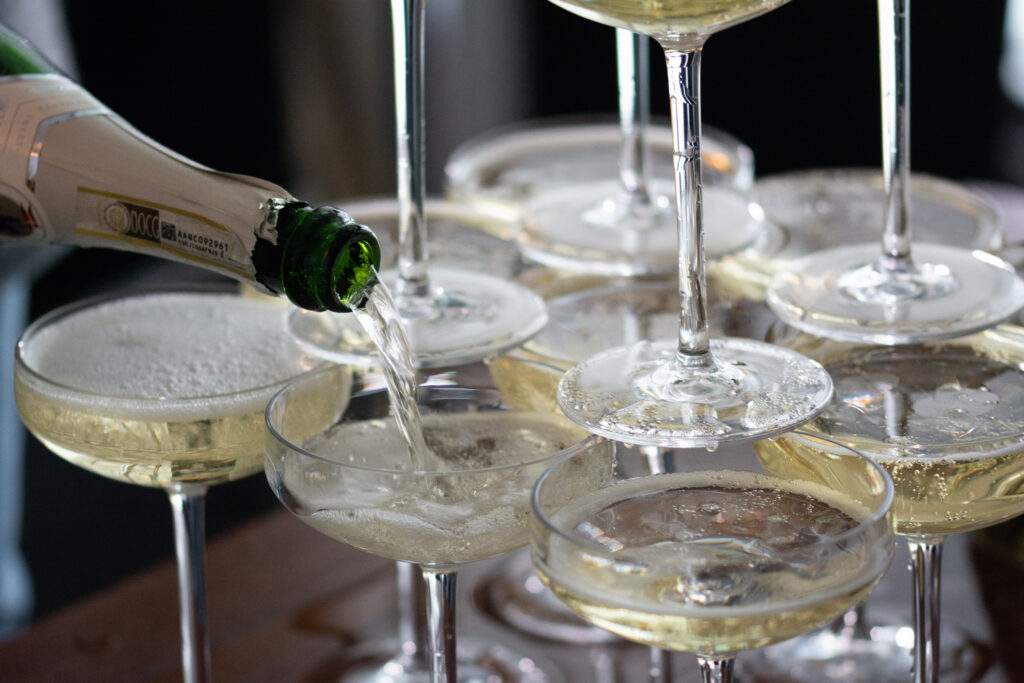
One of the most impressive and awe-inspiring tricks of the trade that really brings the wow-factor to any occasion is a champagne tower. A glass of bubbly by itself is already a cause for celebration but when served in a tower it takes to a whole new level of style and class. At first glance, this may seem like a difficult and possibly messy affair but if you follow our step-by-step guide, you’ll see how simple it really is.

Step 1 – Stock Up On Coupe Glasses

To create a tremendous tower, you will have to use identical coupe glasses. Champagne flutes won’t stack as easily and when it comes to pouring your bubbly, it’s a mess waiting to happen.

Step 2 – Construct The First Level

To construct the tower, you need to create squares that get successively smaller as the tower rises, for instance, the first level can be four by four glasses followed by the next level of three by three, the next two by two and the final, a single glass that sits at the top. Make sure that each glass is as close to the other glasses as possible. If this is done correctly, you should have a diamond shape in the middle of every four glasses touching. Also, it is vital that you build the tower on a sturdy surface unless you want bits of glass all over the floor.

Step 3 – Complete The Tower

After completing the first level, move on to the next. Place the centre of each glass’ stem directly in the centre of the diamond created by the touching glasses on the lower level. Continue following this process untill you have your single glass sitting at the top of the tower.

Step 4 – The Pouring

For the final step patience is key. Pop the cork of your favourite bubbly or, for something even more spectacular, saber the bottle (we’ll explain this terrific trick below) and slowly pour the champagne into the top glass of your tower. Overflow the glass with champagne so that it trickles down into the glasses below until all the glasses are filled. It takes about one bottle of bubbly to fill 5 glasses.

How To Saber Champagne

Sabering a bottle of champagne is a neat trick that is sure to leave your guests awestruck. This method of serving champagne dates back to the times of Napoleon’s crusades. After every victory his army would celebrate by drinking champagne, using the easiest method at hand – their swords. Daring but really not that dangerous, all you need to pull off a sabrage is a saber or dull knife.

Step 1 – Chill Your Champagne

Make sure to chill your bottle of champagne before you decide to open it. Glass becomes more brittle at cooler temperatures so it makes it much easier to open. Simply pop the bottle in the fridge to cool or put in a bucket of ice for about 10-15 minutes.

Step 2 – Ready The Bottle

Once chilled, you must remove the wire fastener and any foil that might be over the cork. Next, you must Locate the seam on your bottle, this is the line that runs down the side and it’s also the weakest part of the bottle.

Step 3 – Pop The Cork

Hold the bottle firmly at a 45-degree angle with the top of the bottle facing away from you and your guests. Using your other hand, place the knife flat against the bottle with the blunt edge facing the lip. Run the blade along the seam and then in a quick and firm motion thrust the blade forward up the seam toward the lip of the bottle – viola!

If your sabrage was successful, the cork should break off and champagne will spill out the opening. Make sure to pour a little of you bubbly out before serving guests so that no glass shards get in their drink.

Get To Know Champagne Glasses

Before we can get into the details of our service tricks, you’ll need to familiarise yourself with the different styles of champagne glasses we offer because some glasses are a better fit for certain feats. In general, you will find that the typical champagne glass features an elegant upright design with a narrow bowl to preserve carbonation and flavour – but there is more to it than that.

Champagne Flute

The champagne flute has a short to medium-length stem with a long, narrow, upright bowl. This shape helps to retain carbonation while the bead at the base prompts bubbles to gather and rise quickly. It is best suited for young sparkling wine or champagne, including Cava, Franciacorta, Prosecco, and Asti.

VINA CHAMPAGNE FLUTE
By Libbey

PERCEPTION CHAMPAGNE FLUTE
By Libbey

FORTIUS CHAMPAGNE GLASS
By Libbey

Tulip-Shaped Glass

Best suited for young or mature champagne, like Cava, Franciacorta, Prosecco and Asti, the tulip wine glass has a slim base with a wider bowl that narrows towards the opening. The bead at the base makes bubbles rise, while the wideness allows room for flavour complexities to open up. Its narrower top prevents excess carbonation from escaping while directing aromas towards the tongue instead of up the nose.

MASTERPIECE GOLD LABEL PROSECCO GLASS
By Luigi Bormioli

DIAMANTE CHAMPAGNE/PROSECCO GLASS
By Luigi Bormioli

ATELIER CHAMPAGNE FLUTE
By Luigi Bormioli

Coupe Glass

The vintage coupe glass is suited to sweet champagne, Cava, Franciacorta or Prosecco and can also be used to serve cocktails. It is a stemmed glass with a short, broad, shallow bowl. They were originally used during the roaring 20s to serve bubbly dessert champagne that was made with a heavy dosage of syrup. Its bowl enables the wine to come in contact with plenty of air and its unique shape allows you to create one of the most impressive champagne service feats – the champagne tower.

SPKSY COUPE GLASS
By Libbey

VINTAGE 1924 COUPE GLASS
By Libbey

PERCEPTION COUPE GLASS
By Libbey

Ready to ramp up champagne service? Then Core Catering Supplies is the best place to start. We have an impressive range of classic and contemporary champagne glasses, bar accessories and whatever you may need for your bar. As the exclusive suppliers of Libbey glassware in South Africa, we bring the world’s best to your door. Revitalise your bar with our collection of premium products.

Posted on

UNLOCK THE FLAVOUR OF WHISKEY

Whiskey and other brown spirits are definitely an acquired taste for some. But once found, we can attest that there is little more enjoyable than savouring the delicious caramel and smoky flavours of a good aged glass of golden whiskey after a long day’s work. The problem most people experience while attempting to drink whiskey is that they don’t know how to unlock the full flavour profile of their drink. It really is quite simple, which is why we’ve created this handy whiskey tasting guide. Follow our simple steps and we’re sure you’ll quickly convert to the cult of whiskey.

The first step is finding the right glassware. Core Catering Supplies has a massive collection of whiskey glasses, here are some of our favourites.

The Snifter

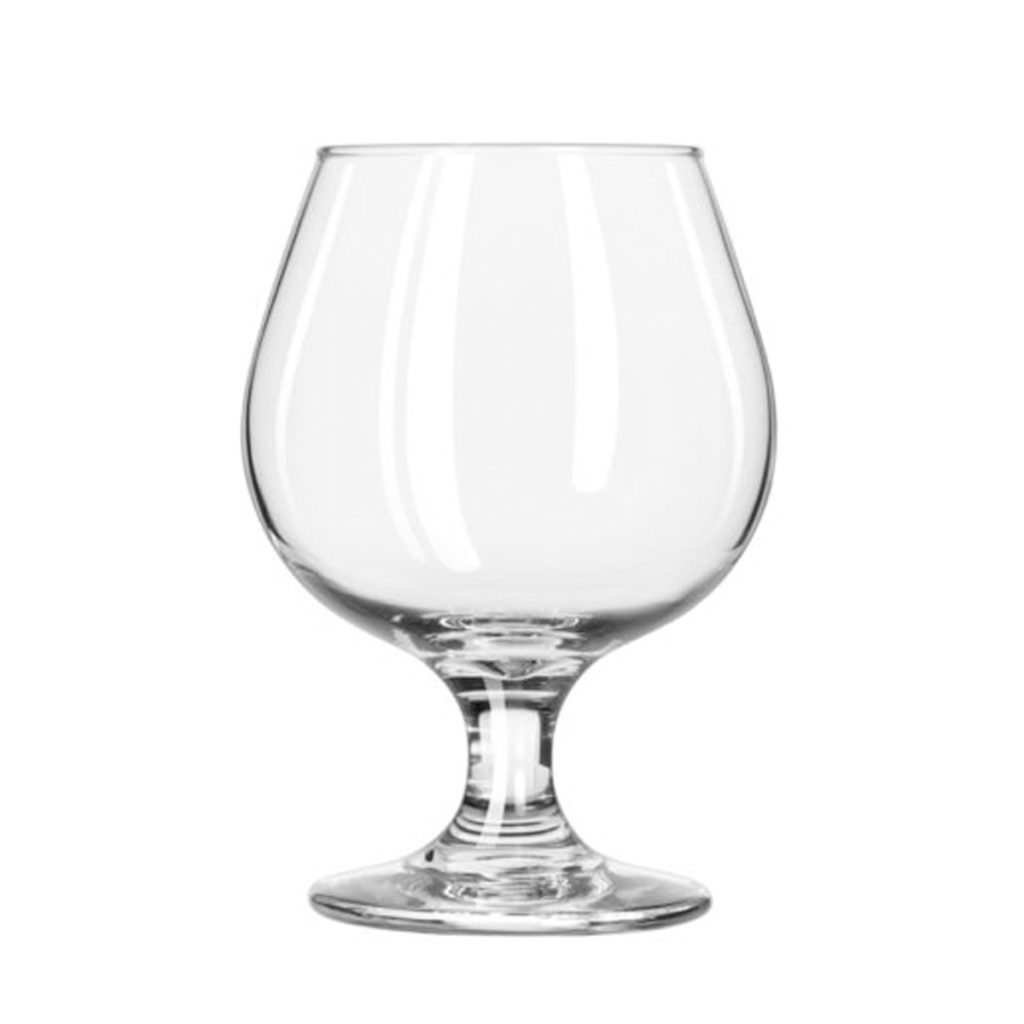
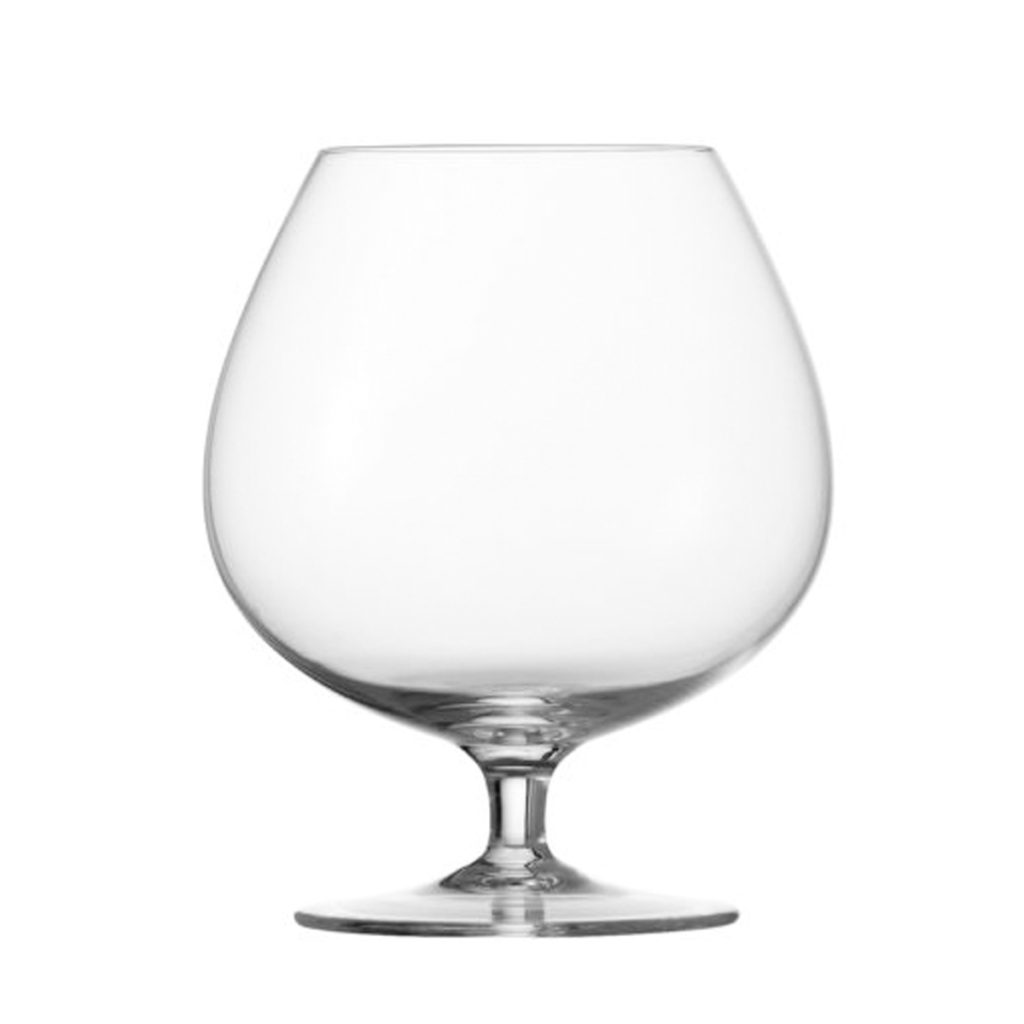
Conjure up high class with the charming snifter glass, also known as the balloon or cognac glass. The epitome of style, its unique shape is designed to be comfortably cradled in your hand and it features an extravagantly wide body and tight rim to encourage the release of the full flavour profile of your dark, aged spirits. Though these glasses are typically used for brandy, they are now commonly used for both whiskey and cognac.

The Embassy snifter glass by Libbey.

EMBASSY SNIFTER GLASS
By Libbey

Napoleon brandy snifter by Luigi Bormioli.

NAPOLEON BRANDY SNIFTER
By Luigi Bormioli

The Cognac glass by Libbey.

COGNAC GLASS
By Libbey


The Whiskey Tumbler

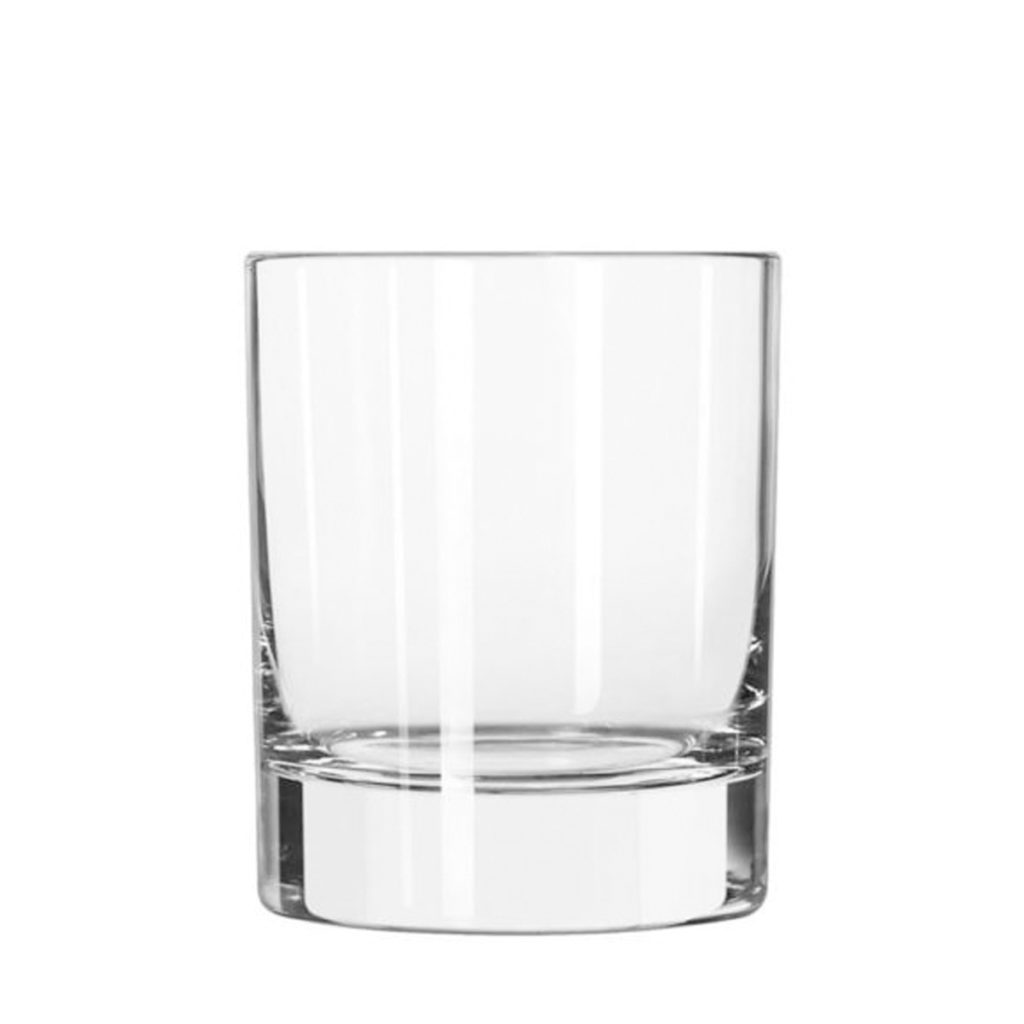
These are the most commonly found of all whiskey glasses. Though they are not designed for the slow savouring of nosing, they are perfectly made for casual drinking with ample room for ice and whiskey of your choosing. This tumbler is also a great option for a cocktail glass because it has a wide and robust base, perfect for muddling cocktail ingredients. A classic in design and an essential for the bar, you can’t go wrong with these versatile glassware gems.

Chicago whiskey glass by Libbey.

CHICAGO WHISKEY GLASS
by Libbey

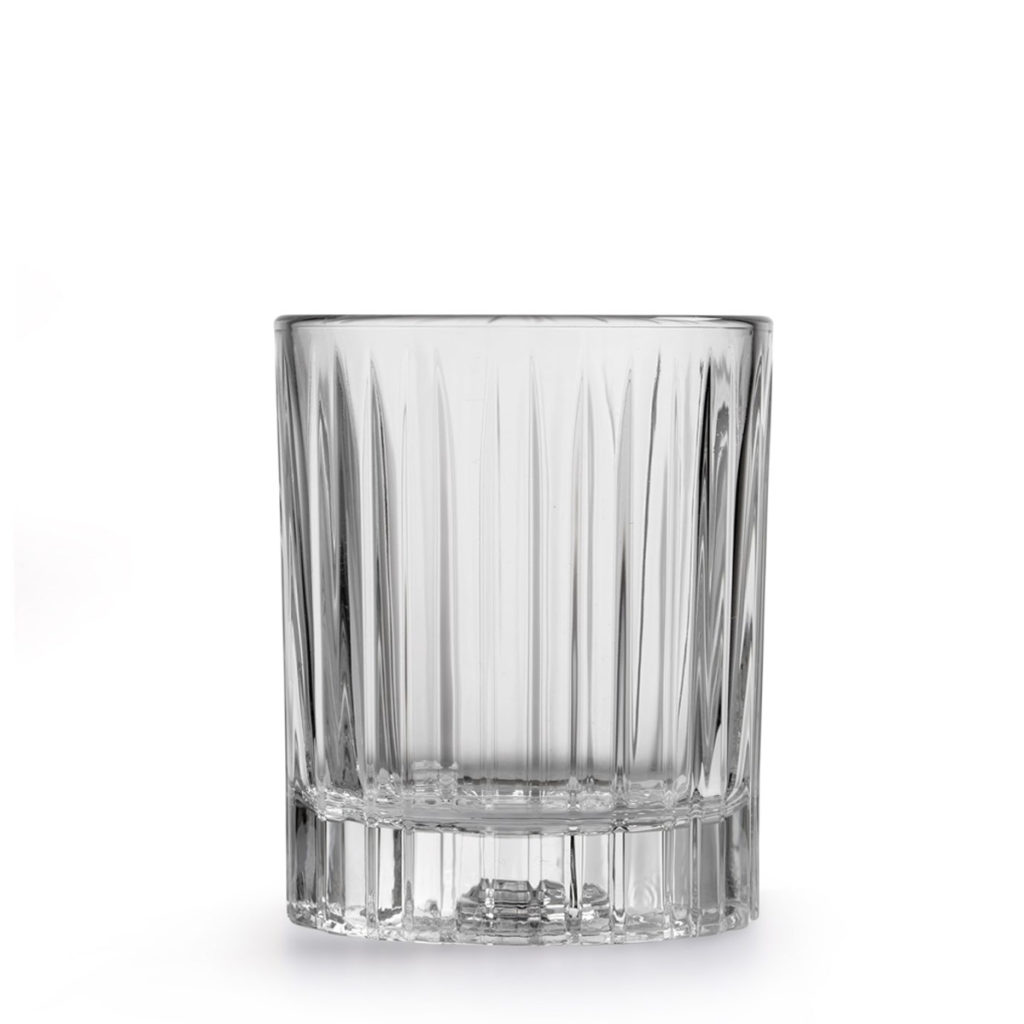
The Flashback whiskey glass.

FLASHBACK WHISKEY GLASS
By Libbey

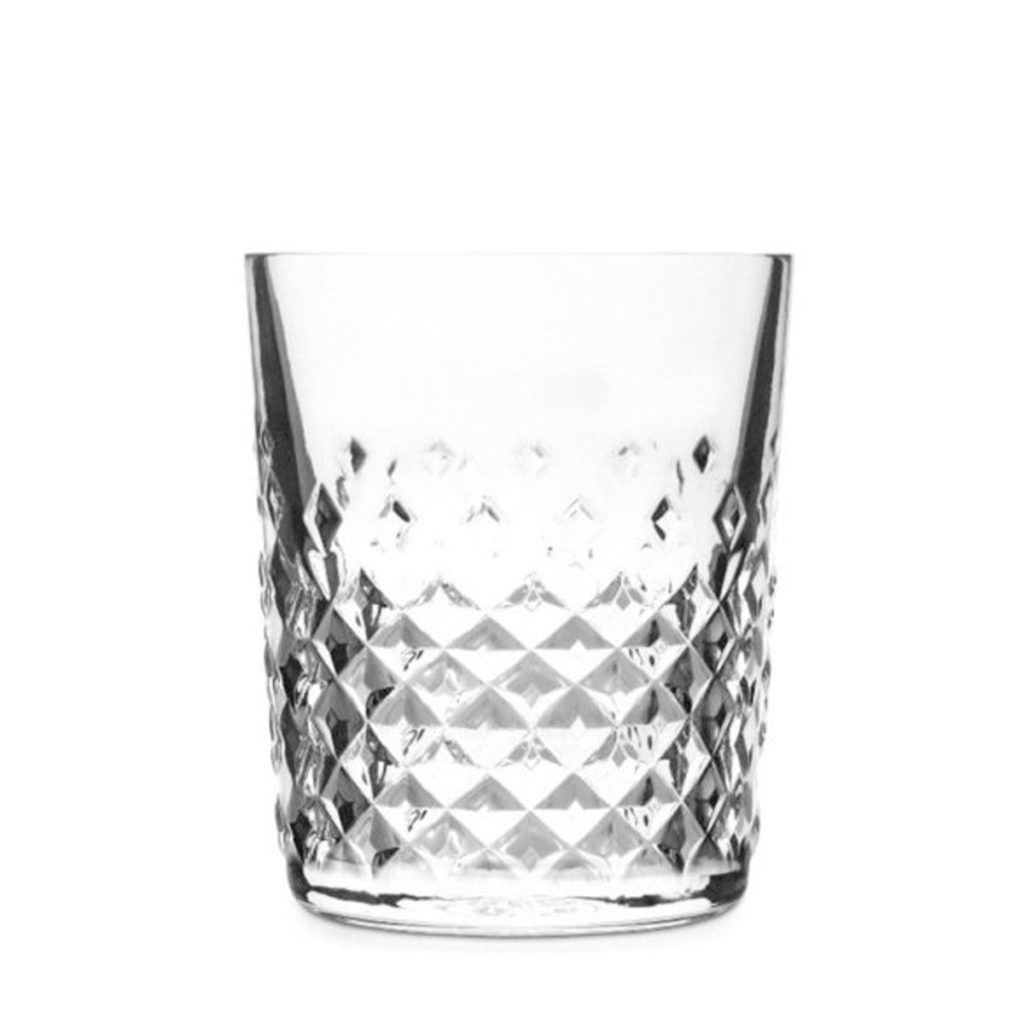
The Carats whiskey tumbler by Libbey.

CARATS WHISKEY TUMBLER
By Libbey

The Highball

Typically associated with one of the simplest yet scrumptious whiskey cocktails, Scotch and Soda, the highball is the taller brother of the whiskey tumbler. These days it has become the preferred glass, especially for whiskey experts in Japan, for the service of many simple whiskey drinks. Its length makes it a versatile addition to your barware collection as it allows you to create several long and relaxing drinks with plenty of room for ice, spirit and mixer.

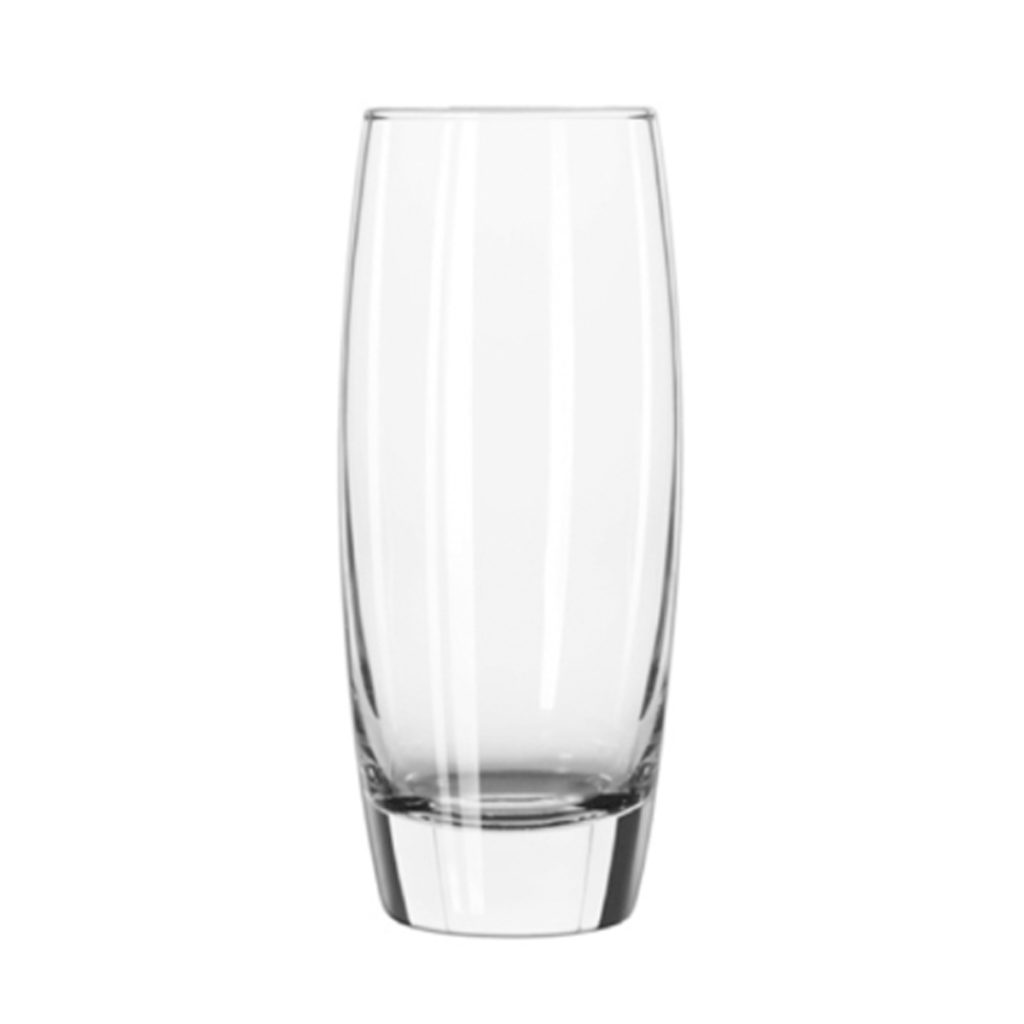
The Endessa hiball by Libbey.

ENDESSA HIGHBALL
By Libbey

The Hobstar tumbler by Libbey.

HOBSTAR TUMBLER
By Libbey

The radiant tumbler by Libbey.

RADIANT TUMBLER
By Libbey

Give It A Swirl

Now that you have found your glass, hold it by the base or stem and give it a gentle swirl. This motion opens up the aromas of your whiskey. If however you over agitate your drink, you will drown out all the subtle notes with an influx of ethanol vapours.

Take A Whiff

For this step, the snifter glass is most apt. Warm up the glass with your hands and smell the whiskey gently, in other words, don’t stuff your nose into the glass as you would with wine. Whiskey has a much higher alcohol content so try to avoid anesthetising your olfactory nerves. You can also take a whiff with your mouth slightly open to avoid over intoxication.

The Secret Is In Small Sips

When it’s time to taste, remember small sips are they key. Whiskey can be overwhelming so it’s best to sip small volumes and let the rich and decadent flavours be experienced with the least amount of alcohol possible. Before you take your next sip, allow yourself time to fully savour the flavour. This way your palate will have a chance to adjust to the high alcohol levels ensuring every sip tastes better than the last.

Water Works

After taking your first steps you can start experimenting with water and finishes. Try adding a few drops of water to your whiskey and you’ll notice whole new flavours and aromas with your next sip. If the alcohol content of your whiskey is particularly high, you can add more water to dilute it. If you are busy enjoying a full pour, you can add a block of ice to cool and slowly dilute your whiskey over time for a full flavour experience.

Repeat and Relax

Whiskey is meant to be enjoyed so take your time to fully experience it. Try adding a few more drops of water and see what happens. Remember, there is no need to learn individual aromas and flavours, your whiskey is a personal journey with no wrong answers. So sit back, relax and pour yourself a whiskey.

Posted on

GET TO KNOW HOSPITALITY GRADE CUTLERY

As the most used items in your kitchen, cutlery needs to withstand the stresses of daily use. For this reason, you need to pick a set that is made from strong material like stainless steel.

Stainless steel cutlery is stain and rust-resistant. This is because its composition contains both chromium and nickel. These materials form a thin, invisible layer on the surface of the steel and protect it from a wide range of corrosion media. They not only strengthen your cutlery set but also protects it from discolouring and is the reason why stainless steel has such a long life-cycle.

For these reasons, stainless steel cutlery is the best option for regular use and the perfect choice for hospitality, catering and domestic use. If you invest in a quality stainless steel cutlery set, you will enjoy a range of durable items with an exceptionally long life cycle.

What You Will Find In Our Cutlery Collections

Though not necessarily needed for informal dining occasions, a complete stainless steel cutlery range is a fantastic investment for your hospitality future. This is because these sets generally contain everything you need to serve any dish from the exotic to the mundane. Below we describe and discuss the uses and appearance of these items so that you are fully equipped for any dining occasions and we’ll even show you how to set a formal dinner table in just a few steps.

How To Set A Table For A Formal Dinner

Table Fork

The table fork is your standard item of cutlery used to eat the main course. It measures at about 180mm in length and paired with the table knife or steak knife. They come in a variety of sizes such as the larger continental-style fork used for more formal settings.

Table Knife

This item of cutlery features a single cutting edge and a blunt end. They are your most typical knives found at the dinner table and are of moderate sharpness only because they are designed to cut through cooked and prepared food.

Dessert Fork

Not to be confused with the cake or pastry fork, the dessert fork measures at about 150 to 180mm and is slightly narrower than a table fork. Its specialised design features a left tine (prong) that is wider than the rest in order to provide more leverage in cutting firm desserts.

Dessert Knife

These knives are used during the dessert course and are typically smaller than a dinner knife coming in at about 200mm. Their unique feature is a narrow blade with a rounded or pointed tip. The round tip variety allows you to section soft deserts while the pointed tip style is better equipped for cutting through hard desserts.

Soup Spoon

The soup spoon is similar in size and shape as a tablespoon but the bowl is a little smaller and slightly tapers towards the tip. It also generally has a smaller handle than a tablespoon.

Pastry Fork

The pastry fork or cake fork is slightly shorter than the dessert fork, measuring in at about 130mm. Its specialised design features a notched left tine (prong) to provide extra leverage in cutting.

Dessert Spoon

The dessert spoon lies midway in length between the tablespoon and teaspoon at about 177mm long. It features an oval shape that holds just about two teaspoons of food. You will commonly find the dessert spoon in both formal and informal dining spaces.

Butter Knife

Butter knives feature a round point that prevents diners from tearing their bread when they spread butter. In very formal dining settings, a master butter knife is used to section and serve individual pats of butter to guests who then use their own butter knives for spreading.

Fish Knife

The fish knife features a specialised shape designed for eating fish. It has a wide 225mm long blade with a dull edge and a tip made with a notched point. This point is used to separate the skeleton from the body and easily lift the bones onto your plate.  

Steak Knife

These knives are, as the name implies, made for cutting steak. They normally feature serrated blades and are the only sharp knife typically found at the modern dinner table. Steak knives do however also come in a straight blade variety for cleaner cuts of food but these need to be sharpened more often.

Fish Fork

The fish fork measures at approximately 185 to 197mm in length. Its unique design has a wide left tine (prong) and an optional notch, which is grooved to fit over the bones of fish. These features provide extra leverage in separating fish from the body.

Snail Fork

One of the smaller forks at the table setting, the snail fork is approximately 115mm long and features two long, pointed tines (prongs). As the name implies these forks are used to eat snails prepared in both formal and informal dining settings.

Tablespoon

Tablespoons are the largest spoon used for eating. In general, tablespoons refer to serving spoons but in some places they are used for eating, these varieties usually hold about 7-14ml.

Soda Spoon

The soda spoon or iced tea spoon is used to stir cold beverages in tall glasses like iced coffee and iced tea. It is the longest spoon in a range of cutlery and features a small bowl with a long handle. The soda spoon is normally between 180 to 250mm in length

Teaspoon

The teaspoon is one of the shorter spoons in a cutlery set, measuring in at about 130mm. It is mostly used in informal dining to stir hot beverages, sip soup and eat solid food. It is also a common unit of measurement with a bowl volume of 5ml.

Coffee Spoon

The coffee spoon is very similar to the tradition teaspoon, it is just a little smaller. Its unique shape allows it to pair excellently with coffee cups.

How To Care For Stainless Steel Cutlery

So now that you have your cutlery set, you will need to know how to properly care for it in order to keep it in prime condition. Luckily, it really is quite simple. Here we’ll show you exactly what you need to do to get the most out of your brand new cutlery set.

Hand Washing

If you wash by hand, make sure to use warm, soapy water. Once washed, immediately rinse off in hot water and wipe dry with a soft, clean cloth. Do not soak your cutlery or leave unwashed overnight. Below are our top tips for hand washing stainless steel cutlery.

  • Do not use a powder cleaner rather stick to a liquid or cream detergent
  • Only use stainless steel cleaner for stubborn stains
  • Rinse cutlery when in contact with salt or acids
  • Do not use wire wool or other abrasive cleaners because they can scratch and remove the sheen from your cutlery

Dishwashing

If you are using a dishwasher, you will want to follow the instructions of your manufacturer carefully. Once the washing cycle has been completed, you should unpack and dry your items as soon as possible. If slight discolouration occurs due to hard water or certain foods, you can easily remove it by wiping the stain with lemon juice, vinegar or stainless steel cleaner. Below are our top tips for dishwashing stainless steel cutlery.

  • Make sure the design of the cutlery is suitable for dishwashing
  • Follow the instructions that come with your dishwasher
  • Do not mix stainless steel and silver plated items in the same cycle
  • Remove from the dishwasher as soon as possible

Buffing

If for some reason your stainless steel cutlery set does become stained, you can easily treat it by buffing it out with a simple steel buffing compound. Unlike silverware and other forms of cutlery, stainless steel does not require regular polishing because it won’t tarnish.

At Core Catering Supplies we have several ranges of stainless steel cutlery sets available. Each of our sets is made from hospitality-grade stainless steel and feature a long life cycle. You will find that each of our unique ranges includes a huge variety of items, allowing you to find exactly what you’re looking for and ensuring that it matches the rest of your set. Browse our complete cutlery sets from the casual to the creative below.