Posted on

HOW TO CREATE THE PERFECT WINE LIST

HOW TO CREATE THE PERFECT WINE LIST

There are two aims when it comes to setting up a restaurant wine list – profit and enjoyability. You want to create a list of wines that your guests will want to order while simultaneously granting you the maximum amount of profit. To do this try these industry insider Core Tips:

Find The Right Flavour Profile

The most important strategy to follow is to match the theme of your food menu with your wine menu. Make sure to compile a list of wines that complement the food you serve, for example, steakhouses should have lots of bold, full-bodied, high-tannin red wines and less floral whites while Asian restaurants will be well off offering a selection of more delicate, spice and fruit-filled wines that counteract the heat.

There are so many different cultivars on the market with diverse flavour profiles that it can be difficult to find a selection that best fits your menu. The flavour and mouthfeel of the wine irrespective of its cultivar can vary based on a number of important factors, for example, higher sugar content results in a wine with a sweeter flavour, whereas high tannin levels make wine feel more dry or bitter in the mouth. So to make it easier we have listed commonly found cultivars and the food they pair well with below.

  • Cabernet Sauvignon – poultry and red meat
  • Shiraz – vegetables and red meat
  • Merlot –  fish, vegetables and red meat
  • Malbec – Mexican, spicy food and red meat
  • Pinot Noir – grains, mushrooms and poultry
  • Chardonnay – poultry and shellfish
  • Sauvignon Blanc – vegetables, seafood and Greek
  • Riesling – fruit, vegetables and Asian

In order to create a well-varied wine list, you’ll need to consider the following factors and profiles commonly used to describe the flavour of wine.

  • Sweetness – when creating a wine pairing, always make sure the wine is as least as sweet as the food. Dry, semi-dry, semi-sweet and sweet are the descriptive words you can use to denote the level of sweetness in the wine.
  • Acidity – more acidic wines are better at cleansing your palate, which makes them ideal for pairing with rich, creamy dishes.
  • Complexity – wines with complex flavours should be paired with simpler food and vice versa.
  • Alcohol content – salty and spicy food is best paired with wines with a lower alcohol content.
  • Oak influence – the more oaky the wine, the better it will pair with robust, smoky flavours.

Build The Brand

Restaurateurs often put all their attention on their food menu leaving their wine list as an afterthought. This is a big mistake because your wine list is just as much an extension of your establishment’s brand. Wine carries a rich history and is made with intense labour so with the right selection of wines you can augment the theme of your restaurant and help to tell its story.

For instance, if your restaurant is located on the Western Cape wine route, it makes sense to only use wines from the region. Chances are many of your patrons are coming to the region for tourism and would really appreciate a fully-immersive experience. Similarly, if your restaurant is focused on organic food and produce, it would be a great idea to only sell organic wine.

Knowledge Is Key

Even if your wine menu is neatly laid out with comprehensive but concise information, chances are it can still be confusing for your customers. In general, people don’t know that much about wine and they also don’t like reading so, how do you get them to make a purchase they’ll enjoy? The answer is knowledgeable staff.

It pays to give your service staff training about all aspects of your restaurant including your wine list. If your staff can give your patrons, well-educated recommendations when they place their drinks order, chances are they might even go for a more adventurous or expensive bottle. Some restaurants even do away with the menu entirely and have their bartenders or waitrons interview patrons about the kind of wines and flavours they have enjoyed before in order to make tailor-made suggestions, leaving every patron feeling special and particularly looked after.   

The Perfect Price Points

When it comes to pricing the general rule of thumb is a markup of 2 to 3 times the actual bottle cost. This means a R50 bottle of wine should go for about R100 to R150, which is the average price people expect to pay when dining out. However, what should you do with your more expensive offerings? Certainly, it would be quite difficult to sell a R150 bottle of wine for R450 even for patrons who are better off in the pocket. The answer is price margins.

If you are determined to sell more expensive options, you can play around with the price margins of your entire wine list. For instance, you can make your cheaper wines a little bit more expensive so that you can offer your more expensive wines at a slightly cheaper price point. This way your cheaper wines subsidise your more expensive options securing you a good profit on either option.

Playing around with price margins is a balancing act and you need to make sure that doesn’t seem obvious on your menu. Nothing will turn your customers more off than seeing a wine list where all the wines have clearly been marked up beyond the 2 to 3 times markup. You can get around this conundrum by offering a selection of wines that are not commonly found elsewhere so that your guests can compare your prices with your competitor, allowing you to get away with larger margin adjustments.

The Do’s And Don’ts Of Designing a Wine List

Once you have decided which wines you will be serving, take a strategic approach to listing them on your menu so that you can benefit from maximum profitability:

Do not organise wine by price. People too easily assume that price and quality go hand-in-hand when it’s not really the case when it comes to wine. Mixing them up will force your guests to go over the list in more detail to find what they are looking for instead of just opting for the cheapest or most expensive bottle.

Make your menu easy to read by keeping the list simple and providing important information like vintage, country of origin, body, and price per glass or bottle.

Arrange it in an order that makes logical sense such as dry to sweet, by geographical origin, or body of the wine.

Highlight specially selected mid- to high-priced wines on the menu to upsell or showcase.

Suggest food and wine pairings on menu items.

Keep your wines rotating seasonally to keep it from becoming too stale or boring. This can also help with stock keep as people are more likely to order white wines and rosés during the summer and red wines during winter.

Posted on

CAREERS

Is it you we’re looking for?

As South Africa’s leading catering suppliers, we have fuelled the expansion of South Africa’s hospitality industry for over 21 years. We are growing exponentially, which is why we are looking for fresh faces to help us reach new heights. From sales staff to digital marketers, we are looking for you.

Want to be part of our team? We coredially invite you to apply.

Posted on

Free Delivery

DELIVERIES

Core Catering Supplies offers free delivery to major centres across South Africa for orders over R1 000 ex vat and charges R250 ex vat for orders below. Delivery to these centres is normally 5 – 7 working days from receipt of payment. Please note that a delivery fee can be requested on large Equipment orders that need to be transported especially outside of the major centres

For delivery outside these areas contact us for a quote.

Posted on

DELI CASES AND BAKERY DISPLAY CASES BUYING GUIDE

A refrigerated bakery case or deli case can be a great way to increase sales in just about any food service operation, including coffee shops, convenience stores, institutional cafeterias, airports, grocery stores, as well as independent and chain restaurants, just to name a few.

Deli cases and bakery cases often look very similar from the outside, so how do you know which one is right for you? We’re here to point you in the right direction with the help of this guide!

Bakery Case and Deli Case Refrigeration Types

Refrigerated display cases like these use two basic types of refrigeration: Forced Air or Gravity Coil. The best type for you depends on the items you want to display in the case.

Forced Air

As their name implies, Forced Air systems rely on fans to circulate cold air throughout the cabinet to keep food contents cool. These cabinets are most often used for bakery products, pre-packaged products, and some deli applications. It’s important to note that because of this air movement, the products you are displaying can dry out if they aren’t covered or left in the case for too long.

Items on our website that use this method are mainly called “Refrigerated Bakery Display Cases” or a similar variation of that.

Gravity Coil

Gravity Coil systems boast a refrigeration coil at the top of the cabinet that allows the cool air to “drop” down over the food. These types of display cases are best for raw meat, seafood, salads, and other deli products where you don’t want the drying effect of constantly circulating air. Gravity coil cases tend to be less expensive than forced air cases.

Items on our website that use this method are mainly called “Refrigerated Deli Cases” or a similar variation of that.

What Do I Want to Display In the Food Case?

Here is a simplified breakdown to help you choose the right one!

Food Item Forced Air Gravity Coil
Pie
Cake
Danishes and other Pastries
Seafood
Raw Meat
Pasta Salad
Cheese
Coleslaw
Salad
Deli Meat

Features and Options to Consider

Once you’ve decided which type of case (bakery or deli) is right for you, you will want to narrow down your choices.

Size:

Don’t think of size just in terms of how much floor space you have to put a case. You might have room for a large case, but if the majority of products you want to display have a short shelf life and/or a quick turnaround time, you can often use a smaller case and save space, energy and money!

Some manufacturers offer “low profile” versions of their cases, which bring all the features and benefits of their larger siblings in a smaller package, which is ideal for convenience stores and other places where space is a concern.

Be sure to carefully view the Specification Sheet of the case to make sure you can meet the clearance requirements for intake and exhaust air. Since many of these cases are also quite large, you also want to look at the measurements carefully to make sure the case will fit through your doorway!

Shelving:

Cases that utilise tiered shelving help maximise the visibility of all products, no matter what shelf they are on, because they bring the products closer to the front of the case.

Glass shelves allow light to filter throughout the display, and gives you more flexible display options compared to wire shelving. Your food will appear to be “floating” and look great too!

Style:

Many manufacturers offer both straight glass styles as well as curved glass models. Curved glass models offer a sleek, modern profile. Choose whichever style you think will look best in your operation!

Lighting:

Bakery cases and deli cases boast lighted interiors to help make your products look their best. Depending on the model, some cases use specialised fluorescent bulbs that enhance certain colours or types of products, like red meat or pastries. Often, specialised or additional interior lighting is an option. Some models have the lighting in the top, while others may have shelf-mounted lighting.

Colors, End Panels, and Other Features to Consider:

An end panel will make your case appear full and bigger (a mirrored interior enhances the presentation even more). Full displays will enhance your customers’ perception of freshness, and will help your case still look full even as you sell through the stock. Reflective or mirrored glass rear doors do the same thing, and have the added benefit of “hiding” whatever is behind the doors!

Choosing a black interior minimizes the appearance of hardware within the case, and lets your fresh, colorful products “pop”. Some local health departments prefer a white rear area of the display case for sanitation reasons. Be sure to check your local health department requirements before ordering your new case.

If you are interested in a curved display case, note that some curved glass models have front glass that tilts up or out for easy cleaning.

Source: Webstaurantstore

Posted on

WE ARE SOUTH AFRICA’S LEADING CATERING SUPPLIES COMPANY.

With 14 branches nationwide and a team of over 60 trade sales representatives we are always nearby to offer trade focused service and delivery you can trust. We are an ISO 9001 and B-BBEE LEVEL 2 compliant company delivering the highest KPI’s manning strong relationships for over 20 years with leading trade clients

ITS NEVER BEEN EASIER TO ORDER OUR PRODUCTS

Once you have registered you will be able to access the following benefits:

Posted on

PLATE LIKE A PRO WITH THESE TIPS

The way you present your food is what tempts customers to try a dish. We eat with our senses: what we see, smell, and feel. And in the age of Instagrammers and food bloggers, food plating and presentation matters more than ever. 

Transform your meals from simple to stunning using these Core Tips. 

Shapeshift


A simple tip for plating food is to follow the shape of your plate. If you are using circular plates, echo its shape by placing the elements of your meal in a circular composition to add rhythm to your dish. Similarly, a square dish will have added depth when served in a square plate.

Puree All The Way


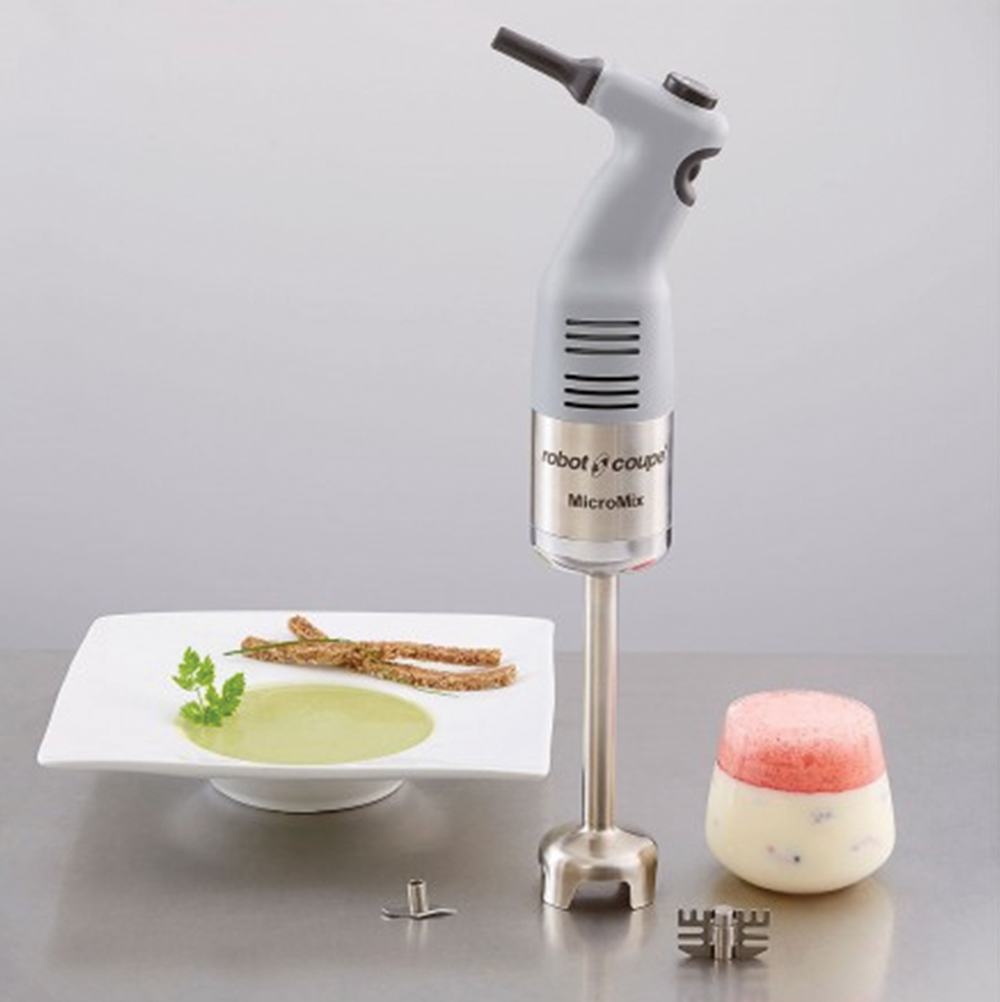
Purees are essential for visually stimulating dishes not only because they can easily be manipulated into the shape of your choice but also because they can anchor hard to balance components as the base of your dish. The best part is they are really easy to make! Using a simple stick blender, you can pulse together veggies and fruits to create deliciously creamy pastes in seconds.

Blooming Dishes


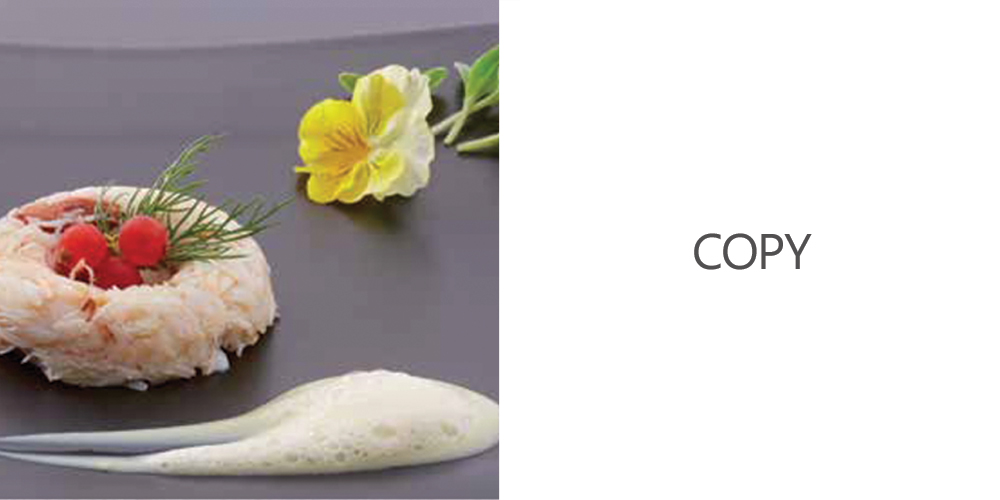
Edible flowers can add just that pop of colour you were looking for to send your dish over the edge. Some of our favourites include violets, nasturtiums and bean blossoms. But remember, flowers have a taste so make sure to only add ones that make sense with the plate as a whole. As they are prone to bruising, our tip is to use precision tongs to delicately place your flowers where you want them on the plate.

Draw the Line


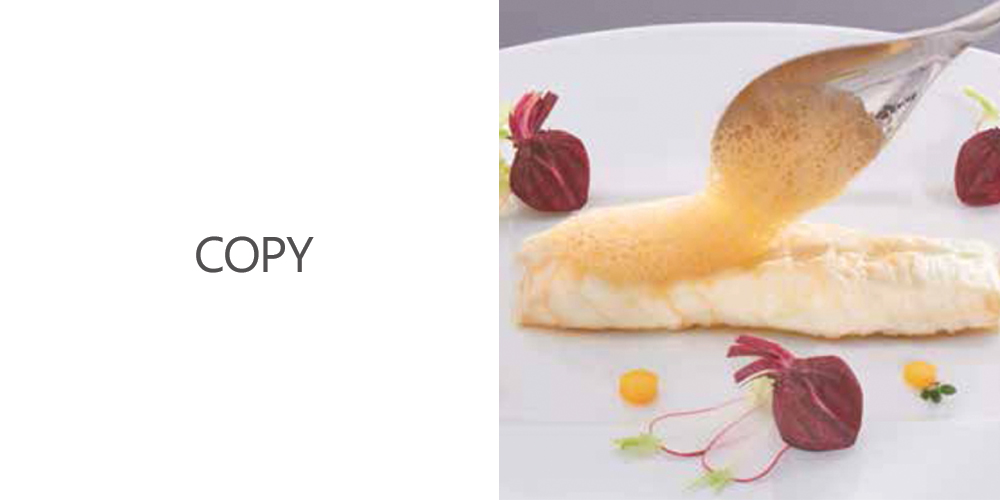
Speaking of focal point, you can use a simple sauce bottle to create lines that direct the eye in the direction of your choice. This technique works for both precise drawing and a more abstract approach. Try to experiment with the different ways you can draw emphasis to certain elements of your meal.

Our Top Tip?


Just have fun with it! The most exciting and innovative ideas are always born from experimentation. Not everything is going to look amazing the first time you try it but you would never know what does work if you never tried it. So use our tips as a guideline and give yourself the time and patience to play around with new plating ideas. We’re sure you’ll be creating culinary fine art in no time.

Tools of the Trade


Investing in some quality tools and equipment is the first step in taking your plating skills further. Level up your cooking game and add zest to your kitchen with Core Catering Supplies, the largest suppliers of professional-grade catering equipment in South Africa. Our vast range has all the cookware, serveware, tableware and more you need to create masterpiece meals.